Best Gas Heaters for Basement Heating and Safe Home Use
Finding a reliable gas heater for a basement involves balancing BTU output, safety features, and installation convenience. This guide highlights five top options that cover vented and ventless designs, infrared and blue flame technology, and various thermostat controls. Each product is evaluated for basement sizing, energy efficiency, and safety, helping you choose a heater that keeps stairs, utility rooms, and finished spaces warm without compromising safety or comfort.
Summary Of Selected Products
| Product | Brand | BTU | Type | Key Features |
|---|---|---|---|---|
| MN300TBA-B | ProCom | 30,000 | Ventless Blue Flame | Thermostat control; wall mount or base feet |
| FC824N | Rinnai | Unknown (efficiency) | Ventless | Programmable thermostat; safety sensors |
| MHVFRD20NGT | Mr. Heater | 30,000 | Vent Free Radiant | Infrared radiant heat; safety shut-off |
| MN100TPA-B | ProCom | 10,000 | Ventless Infrared | Thermostat control; compact* |
| IR30NMDG-1 | Dyna-Glo | 30,000 | Infrared | Infrared heat; up to 1,000 sq. ft. |
ProCom MN300TBA-B Ventless Blue Flame Heater

This ventless blue flame heater delivers up to 30,000 BTU from natural gas and heats up to roughly 1,400 square feet, making it suitable for larger basements or open-plan layouts. Thermostat control offers High, Medium, and Low settings for adjustable warmth. The unit features a slim, modern profile that fits in tighter spaces and provides versatile installation with wall mounting hardware or base feet for floor placement. Safe operation includes an oxygen-depletion sensor and automatic shut-off in the event of unsafe conditions.
Its design emphasizes compact appearance without sacrificing performance, offering strong heat output for mid-to-large basement spaces. Installation should follow local codes, especially for ventless units, and ensure adequate ventilation where required. The MN300TBA-B is well-suited for basements that require steady, dependable warmth when central systems are insufficient or unavailable.
Rinnai FC824N Ventless Gas Heater
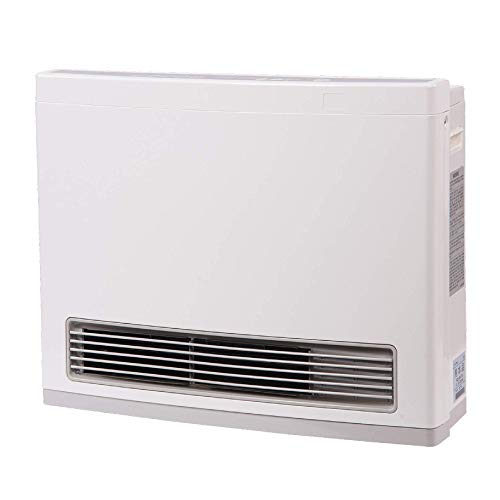
The Rinnai FC824N is a compact ventless heater designed to deliver efficient warmth with a programmable thermostat display for precise temperature control. Its smart control system adapts to heating needs, and its self-diagnostics help minimize maintenance surprises. Safety features include a flame failure device, overheat protection, an oxygen depletion sensor, and a tilt switch to automatically disable gas or power if the unit is unsafe. This model is ideal for basements that require controlled, consistent heat with built-in safety protocols.
Mr. Heater MHVFBF20NGT Vent Free 20,000 BTU
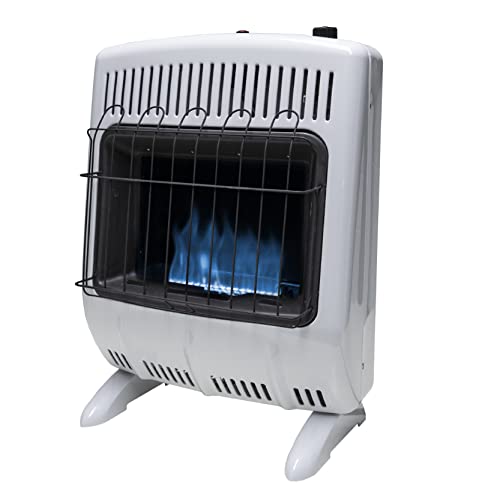
This vent-free blue flame heater provides up to 20,000 BTUs for spaces up to roughly 700 square feet, using convection to distribute heat through the room. It includes an intuitive thermostat for easy temperature adjustment and comes with a complimentary battery for reliable electric ignition. The design focuses on efficient fuel use, delivering warmth with controlled electric ignition and a compact footprint suitable for mid-sized basements or additions that need supplemental heat.
Mr. Heater MHVFRD20NGT Vent Free Radiant 30,000 BTU

This 30,000 BTU vent-free radiant heater uses infrared technology to warm objects and people directly, covering spaces up to about 1,000 square feet. It is well-suited for basements that require quick, sun-like warmth in a relatively short amount of time. Safety features include an automatic low-oxygen shut-off and sensors for safe operation, making it a strong option for spaces that may be harder to heat with convection alone. Ideal for rooms requiring robust, direct heat without a lot of air movement.
ProCom MN100TPA-B Ventless Infrared Plaque Heater

The MN100TPA-B infrared plaque heater provides 10,000 BTU from natural gas, suitable for smaller basements or as a supplementary heater in larger spaces. Thermostat control supports High, Medium, and Low settings, offering flexible warmth with a compact, wall-mountable or freestanding design. It heats up to about 500 square feet, making it a compact option for finished basements or rooms that require targeted warmth without overpowering the space. The slim profile helps it blend with room decor while delivering reliable heat when needed.
Dyna-Glo IR30NMDG-1 30,000 BTU Infrared Wall Heater

The Dyna-Glo IR30NMDG-1 is a 30,000 BTU infrared wall heater designed for rapid warmth in spaces up to 1,000 square feet. Being infrared, it heats objects and occupants directly, providing a comfortable heat with minimal delay. The unit is natural gas ready, though fuel conversion is not permitted, and it emphasizes radiant warmth that can complement convection-based heating in basements with higher ceilings or variable insulation. It is a practical choice for zones needing fast, efficient heat without relying on HVAC changes.
Buying Guide: Key Purchase Considerations
- Basement size and layout: Match BTU output to the space. Larger basements benefit from higher BTUs or radiant/infrared heating to target occupants directly.
- Ventless vs vented: Ventless models are easier to install but require proper ventilation per local codes. Vent-free units may be ideal for unfinished basements; finished spaces require careful placement and carbon monoxide considerations.
- Heat distribution: Consider whether you need convection, radiant, or blue flame heating. Infrared models warm objects and people quickly; convection designs circulate warm air for even coverage.
- Thermostat and controls: Programmable or digital thermostats improve comfort and energy efficiency, especially in spaces with variable occupancy.
- Safety features: Look for oxygen depletion sensors, flame failure devices, tilt switches, and automatic shut-off to protect occupants and property.
- Installation and clearance: Check clearance requirements around vents, walls, and furniture. Wall-mounted options save floor space but must be securely installed.
- Fuel type and availability: Natural gas units require a gas line and proper venting; ensure your basement has access to a safe gas supply and that local codes permit installation.
- Maintenance: Self-diagnostics and easy access panels reduce maintenance downtime. Regular inspection of vents and gas lines is essential.
- Energy efficiency: Compare steady-state efficiency ratings and ignition systems. Infrared heaters can reduce energy use by warming occupants directly rather than the air.
- Safety against power outages: Some units rely on electric ignition; if your basement experiences outages, a piezo ignition or manual standby option may be valuable.
In summary, selecting a gas heater for a basement involves balancing space, heat delivery style, and safety features. The options above cover a range of basements—from open, larger layouts to smaller, enclosed rooms—ensuring you can find a model that aligns with your space, budget, and local building codes. Always consult local regulations and a licensed professional when installing gas-powered heaters in basements to ensure safe and compliant operation.