Best Dielectric Unions for Water Heaters: Protect Your Plumbing From Electrolysis
Dielectric unions are essential for protecting your water heater and surrounding piping from galvanic corrosion when dissimilar metals meet. The right dielectric union helps maintain a watertight seal while insulating copper from steel or galvanized components. This guide highlights top options, explains how they work, and offers buying tips to help American homeowners choose the best fit for their system. Each product listed below is well-suited to reducing electrolysis and extending the life of water heater connections.
Product Overview
| Product | Brand | Connection Type | Materials | Key Benefit |
|---|---|---|---|---|
| EZ-Fluid Dielectric Union 3/4″ | EZ-FLUID | Sweat x FIP | Brass body, galvanized steel | Reduces electrolysis, versatile sizing |
| Midline Valve EVGG0034-OM 3/4″ | Midline Valve | FIP | Brass x Steel | Durable, leak-free connections |
| Eastman 20503 Dielectric Union 3/4″ | Eastman | FIP x Solder | Brass, steel nut | Reliable copper-to-steel transition |
| EZ-Fluid Dielectric Union 1-1/4″ | EZ-FLUID | Sweat x FIP | Brass body, galvanized steel | Electrolysis reduction, flexible sizing |
| Eastman 60095 Dielectric Nipple 3/4″ | Eastman | MIP x 3″ | Teflon-lined | Corrosion resistance, long life |
Below you’ll find five top products arranged by common installation scenarios—whether you’re connecting copper to steel, addressing a water heater inlet or outlet, or upgrading an older system. Each entry includes a concise feature set and a direct link to the product page for quick comparison.
EZ-Fluid 3/4 Inch Dielectric Union: Solder x FIP

Designed to connect dissimilar metals, this brass-solder union with a galvanized steel body minimizes electrolysis while delivering a watertight seal. The 3/4 inch size is common for many water heater inlets and outlets, offering compatibility across copper-to-steel or galvanized piping systems. The combination of brass solder and a galvanized body provides robust corrosion protection and easy installation for DIY or professional setups.
- Dielectric design reduces galvanic corrosion between copper and steel
- Brass solder connection with a galvanized steel body
- Available in sizes from 1/2″ to 2″
Midline Valve EVGG0034-OM 3/4″ Dielectric Union

This 3/4 inch dielectric union uses a brass-to-steel construction to prevent electrolysis in water heater installations. It’s designed for securely leak-free connections and helps protect pipes from corrosion when copper and steel components meet. Its robust build makes it suitable for both retrofit and new installations, delivering long-term performance in residential systems.
- Prevents electrolysis between dissimilar metals
- Brass x steel construction
- Secure, leak-free 3/4 in. connections
Eastman 20503 Dielectric Union 3/4″ x Solder
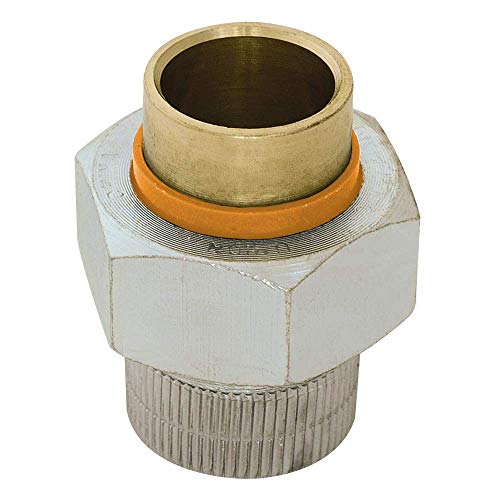
Eastman’s dielectric union features a brass body with a steel nut and a silicone rubber gasket with a nylon insert. This design improves durability under pressure (up to 250 PSI) and temperature (up to 180°F), while enabling a reliable transition between steel and copper piping. A practical choice for households seeking a sturdy, long-lasting connection with good compatibility across common pipe materials.
- Brass body with steel nut
- Silicone gasket with nylon insert
- Max 250 PSI, 180°F
EZ-Fluid Dielectric Union 1-1/4 Inch
This larger dielectric union mirrors the 3/4 inch model’s benefits with a 1-1/4 inch sizing option. It uses a brass solder connection and a galvanized steel body to maintain a watertight seal while insulating dissimilar metals. Suitable for water heater supply lines where higher flow or larger fittings are required, it helps minimize electrolysis in more substantial copper-to-steel transitions.
- Brass solder connection; galvanized steel body
- 1/2″ to 2″ size range
- Reduces electrolysis across metal connections
Eastman Dielectric Nipple 3/4″ MIP x 3″

The dielectric nipple is designed for inlet and outlet hook-ups in water heater systems where dissimilar metals occur. It features a Teflon lining to resist corrosion and provide a fluid-tight seal. This option is particularly useful for extending or adapting lines while maintaining electrical isolation between metals, aiding long-term reliability in hot water plumbing.
- Teflon-lined for corrosion resistance
- Prevents galvanic interaction between metals
- Suitable for various water heater connections
Eastman 20505 Dielectric Union 1″ FIP x 1″ Solder

This 1 inch dielectric union is designed to transition between steel, brass, and copper piping with a focus on corrosion resistance. The brass body combined with steel components supports durability and a seal that remains intact under typical home water pressure. It’s a versatile option for upgrading aging connections around the water heater area.
- Brass body with steel components
- Supports steel-to-brass-to-copper transitions
- Rated for common residential pressure and temperatures
Midline Valve EVGG0012-OM 1/2″ Dielectric Union
With a 1/2 inch FIP connection, this dielectric union provides safety by avoiding electrolysis between dissimilar pipes. Its brass-to-steel construction delivers durable performance in typical water heater loops. The secure, leak-free connections make it a practical upgrade for smaller-diameter lines where space is at a premium and reliable seals are critical.
- Brake-electrolysis design for small-line systems
- Brass x steel construction
- Leak-free 1/2 in. connections
Camco Dielectric Heat Trap Nipples

Camco’s dielectric heat trap nipples help prevent heat loss when a system sits idle and flow stops. They also feature self-cleaning properties to reduce corrosion over time and a dielectric inert thermoplastic lining for improved isolation of metals. This option is especially beneficial for RV and mobile setups or compact residential installations where heat retention is a priority.
- Prevents heat escape at inlets/outlets
- Self-cleaning to minimize corrosion
- Dielectric lining for metal isolation
Buying Guide: Key Purchase Considerations
When selecting dielectric unions for water heaters, consider material compatibility, connection types, and operating conditions. A brass body with a steel or brass connection typically offers strong corrosion resistance and durability, while a proper gasket and lining material (such as silicone or Teflon) enhance sealing and longevity. Think about your piping configuration—sweat, FIP, or solder connections—and choose sizes that align with your system’s inlet and outlet dimensions. Temperature and pressure ratings matter; ensure the product supports your home’s water temperature and the expected PSI. Finally, confirm compatibility with both copper and steel or galvanized piping to prevent galvanic corrosion across the entire run.
Consider these scenarios to guide your decision:
- Residential water heaters with copper-to-steel transitions benefit from brass-to-steel dielectric unions.
- Older homes with mixed piping types may require adapters to maintain a watertight seal while preventing electrolysis.
- High-flow systems or larger service entrances may require 1-1/4 inch or larger unions for optimal performance.
- Systems exposed to wide temperature swings or long standby periods should prioritize robust gaskets and corrosion-resistant linings.
In short, dielectric unions protect your water heater system by isolating dissimilar metals, reducing corrosion, and preserving seal integrity over time. The best choice depends on your specific piping materials, preferred connections, and the size of the line you’re upgrading. The products listed above offer a range of options to fit common residential installations in America.