Best Booster Fans for Dryer Vents to Improve Drying Performance
If your clothes take longer to dry than expected, a booster fan for your dryer vent can help by improving exhaust airflow through long or winding ducts. This guide highlights top booster fans, explains how they work, and compares key features to help you choose the right unit for your home. The selections span automatic operation, energy efficiency, and mounting versatility to fit various venting layouts.
Summary of chosen products:
| Product | Brand | Approx. CFM | Key Benefit |
|---|---|---|---|
| Tjernlund M-4DBT Automatic Dryer Duct Booster | Tjernlund | 200 | Automatic activation with post-purge |
| Fantech DBF 110 | FANTECH | 167 | Compact 4″ booster for tight runs |
| GUOJINJISM New Upgrade 4″ Booster | GUOJINJISM | 167 | Weatherproof housing and smart auto-run |
| Hon&Guan 4″ Inline Booster | Hon&Guan | 130 | Low power with speed control |
| Tjernlund LB2 No-Clog | Tjernlund | Variable (lint-repelling) | Lint protection with automatic activation |
Tjernlund M-4DBT Automatic Dryer Duct Booster

The Tjernlund M-4DBT is designed to shorten drying times by boosting exhaust airflow up to 200 CFM. It works with long runs—up to 100 feet—and bends that commonly impede dryer performance. This model automatically activates in sync with the dryer, eliminating manual operation. A post-purge feature keeps the fan running after the cycle ends to clear residual lint from the ductwork, helping maintain efficient airflow for the next load. It’s described as universally compatible with standard residential dryers, simplifying installation without modifying the dryer itself.
Key considerations with this unit include its reliance on pressure-based auto-activation, which reduces complexity and wiring needs. The M-4DBT’s higher airflow is particularly beneficial for multi-bend runs or longer duct paths. For homes with shorter ducts, this model still provides a robust boost without requiring additional controls. Installation typically involves mounting the fan in-line with the existing vent, with standard ducting practices ensuring optimal performance.
Fantech DBF 110 4″ Dryer Booster Fan

The Fantech DBF 110 provides 167 CFM in a compact 4″ form factor, making it suitable for smaller or constrained vent runs. Its design emphasizes straightforward installation and reliable, continuous operation. While the product listing is concise on features, the 4″ booster is commonly deployed where space is at a premium or where a moderate airflow boost is sufficient to reduce drying times. It’s appropriate for standard residential dryer setups where the duct length and bends are manageable without extra components.
When evaluating this unit, consider whether your vent run benefits from a balance of airflow and physical space. The 167 CFM figure suggests strong performance for typical single-story homes with mid-length runs. Compatibility with various dryer brands is implied by the generic booster design, though users should confirm duct size and mounting methods during installation.
GUOJINJISM Upgrade Dryer Booster 4″ 167 CFM
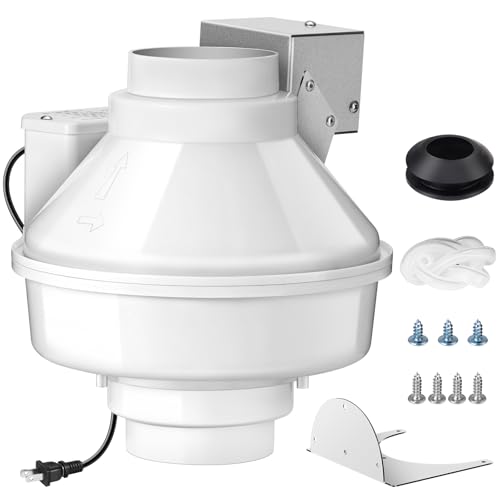
This model combines a heavy-duty, weather-resistant housing with a smart auto-operation feature. The built-in pressure sensor automatically starts the fan when the dryer runs and stops it afterward, which minimizes user intervention. It claims to deliver up to 167 CFM, providing a robust boost for longer or more complex vent paths. The unit is marketed for outdoor or indoor installation, suggesting resilience against weather exposure if vent termination allows outdoor placement.
Important considerations include the factory-calibrated pressure settings, which are not intended for user adjustment. This offers reliable operation out of the box but may limit customization for unusual vent configurations. The 4″ size matches common dryer ducting, making it a versatile choice for many homes seeking faster drying without extensive duct work changes.
Hon&Guan 4″ Inline Booster With Speed Controller

Hon&Guan offers an inline booster with a 4″ inlet and a reported 130 CFM airflow, complemented by a six-watt ultra-low power motor and a speed controller. This combination aims to deliver efficient venting with minimal energy use and reduced noise. The unit is described as suitable for a range of applications beyond clothes dryers, such as bathrooms and kitchens, which can be advantageous for multi-room ventilation strategies within a home. Easy installation is noted due to its plastic body and accessible blade design.
When weighing this option, consider how the speed controller could help tailor airflow to your duct length and bends. The 6W power draw is appealing for energy-conscious households. However, the more modest 130 CFM rating means it’s best for shorter runs or ducts with fewer restrictions. If you have a long or complex vent, pairing with a higher-CFM unit might be more effective.
Tjernlund LB2 No-Clog DEDPV Dryer Duct Booster
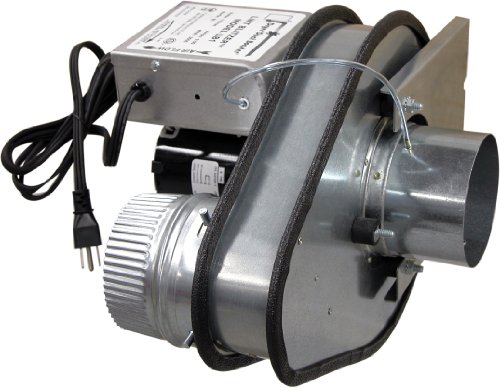
The LB2 No-Clog model emphasizes lint management with a lint-repelling impeller and LED indicator. It’s particularly recommended for dryer exhaust runs of 25 feet or longer, where lint buildup risk and reduced airflow can be more pronounced. Automatic activation aligns with dryer operation, removing the need for manual control. The LED display helps users monitor status and performance, which can be helpful for maintenance planning and troubleshooting over time.
This option is well-suited for households dealing with frequent lint-related concerns or longer vent paths. The built-in protection against lint accumulation can extend the life of the booster and improve long-term reliability. As with other boosters, ensure your duct diameter and mounting compatibility match the product’s 4″ standard and that the fan sits in a position with adequate clearance for airflow and lint removal.
Tjernlund In-Line 4″ Dryer Duct Booster

This 4″ inline booster is often used for duct boosting, equipment cooling, and general exhaust tasks beyond clothes dryers. It highlights a current-sensing switch that turns the fan on when it detects current from another device, such as the dryer. The setup is noted as easy to install, which can simplify retrofits in existing laundry rooms. The versatility makes it suitable for users who want a single booster applicable to multiple exhaust scenarios around the house.
Consider how the current-sensing approach aligns with your dryer’s electrical setup. The mechanism reduces standby energy use and avoids unnecessary running times. However, verify that wiring and mounting supply sufficient airflow without creating duct turbulence that could undermine the boost.
AC Infinity Automatic Duct Booster With Differential Pressure Switch

The AC Infinity unit is designed to automatically boost airflow by detecting pressure changes within the ducting. The differential pressure switch allows mounting flexibility and adaptability to various duct configurations, supporting consistent airflow without manual intervention. This model is suitable for more complex HVAC ducting where precise control of airflow is beneficial for both drying efficiency and overall vent performance.
When evaluating this option, consider the reliability of the differential pressure switch, which can enhance performance consistency across different vent layouts. This booster is ideal for users seeking a set-it-and-forget-it solution that adapts to changing dryer conditions, including longer runs or ducts with multiple turns. The emphasis on automatic control and versatile mounting makes it a strong candidate for advanced ventilation setups.
VIVOSUN 4″ Inline Duct Fan 100 CFM

VIVOSUN’s 4″ inline fan offers 100 CFM with a durable motor and permanently lubricated bearings for quiet, maintenance-free operation. The fan is compact and suitable for tight spaces while still delivering meaningful airflow for shorter vent runs or less complex ducting. At under 30 dB, it’s designed to operate quietly, minimizing noise in laundry rooms or adjacent living spaces. This makes it a practical option for apartment dwellers or homes with sensitive listening environments.
Key factors to weigh include the airflow rating of 100 CFM versus the duct length and number of bends in your setup. For some installations, this may provide enough boost, especially when combined with other efficiency improvements (lint trap cleaning, duct sealing). The low-noise design is a notable advantage for households prioritizing quiet operation.
Buying Guide: Key Purchase Considerations
- Airflow needs (CFM). Longer or more complex ducts typically require higher CFM boosters. Shorter runs may benefit from smaller units to minimize energy use and noise.
- Automatic vs. manual operation. Auto-activating models synchronize with the dryer, reducing user effort and ensuring consistent performance. Some units offer post-purge to clear residual lint.
- Mounting and space. Check 4″ duct compatibility and available vertical/horizontal spaces. Some boosters are designed for outdoor or indoor installation; confirm suitable mounting for your home.
- Lint management. Lint-repelling impellers and dedicated lint handling features can improve long-term reliability and reduce cleaning frequency of ductwork.
- Energy use and noise. Look for low-wattage models and those marketed as quiet operation to minimize impact on daily living and energy bills.
- Durability and weather resistance. For exterior installations or exposed ducts, weatherproof housing and UV resistance can extend the life of the booster.
- Compatibility with dryer brands. Most units are universal in function, but verify duct size, mounting orientation, and electrical requirements match your setup.
- Maintenance. Some models offer easy access for cleaning and inspection, which helps sustain performance and reduce fire risk associated with lint buildup.
In evaluating options, compare airflow for the longest duct lengths you have, the number of bends, and whether you prefer automatic activation or a more manual control approach. Also weigh installation ease against potential future changes to your laundry room or vent routing.