Best Zone Heating and Cooling Systems for Multi‑Room Comfort
The buyer intent is clear: find reliable multi‑zone heating and cooling systems that efficiently condition multiple rooms. This guide highlights five top Amazon options, explaining who they’re best for and why. It also includes a practical Buying Guide and a short FAQ to help compare features, energy use, and installation needs. The table below summarizes key details for quick reference.
| Product | Zone Coverage | Key Benefit | Best For |
|---|---|---|---|
| MRCOOL DIY 5th Gen 21K | 2 indoor air handlers | DIY install, inverter efficiency | Homeowners with DIY aptitude |
| Albott Mini Split 20K | 2 zones | High SEER2, Wi‑Fi ready | Energy‑minded homes |
| ROVSUN 3 Zone 28K | 3 indoor units | All‑in‑one multi‑room control | Three rooms with separate temps |
| YITAHOME 18K 2 Zone | 2 zones | Wi‑Fi, Alexa, quiet operation | Smart‑home setups |
| Della 28K 3 Zone | 3 zones | Energy efficiency, pre‑charged kit | Large homes with multiple rooms |
Below you’ll find five detailed product sections. Each section explains who benefits most, why the unit was selected, and a practical caveat to consider before buying.
MRCOOL DIY 21K BTU Two‑Zone Ductless System
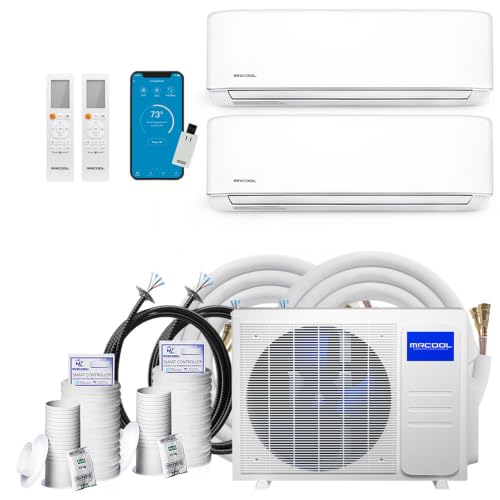
Best for buyers who want a straightforward DIY installation. The MRCOOL 21,000 BTU system combines a 9K and a 12K indoor unit to cover spaces up to about 350 and 550 square feet respectively. It uses inverter technology for energy efficiency and low noise. The kit includes pre-charged line sets designed for quick, tools‑free setup, making it appealing to homeowners who prefer handling installation themselves rather than hiring a pro. Caution: field performance can vary if line-set lengths or refrigerant charge deviate from kit specifications.
Albott 20K BTU Two Zone Mini Split

Best for energy‑savvy homes that want high efficiency and smart features. This model delivers up to 25 SEER2 efficiency with independent room control. With two zones, it’s suited for a couple of rooms or open‑layout spaces. The inverter system helps stabilize temperatures with reduced energy use. Caution: installation quality matters; professional guidance is often recommended for optimal refrigerant charge and long‑term reliability.
ROVSUN 3 Zone 28K BTU Mini Split System

Best for households needing three distinct temperature zones with a single outdoor condenser. The 28K system includes three indoor units and a shared outdoor unit, providing flexible control across rooms. Its inverter‑based heat pump handles a wide ambient range and offers additional features like auto defrost and iFEEL mode. Caution: wiring and refrigerant handling are more complex than single‑zone units; professional installation can help ensure optimal performance and seal integrity.
Della 28K BTU Three Zone Multi Zone
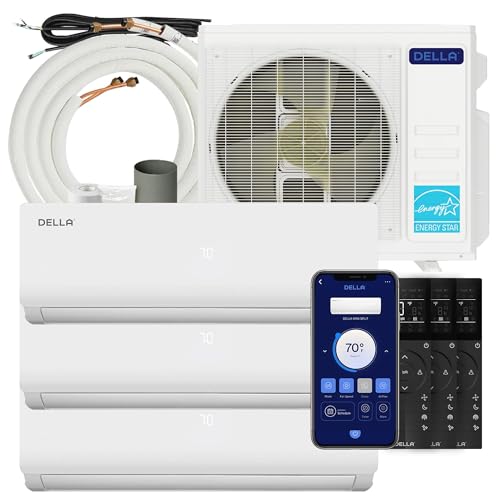
Best for larger homes with three separate zones; this 28K BTU system provides up to 20 SEER2 efficiency and pre‑charged components for easier setup. It supports a broad coverage range and pairs a heat pump with inverter technology for energy savings. Caution: this model is not described as having a self‑cleaning function, which may affect maintenance routines over time.
YITAHOME 18K BTU Two Zone Mini Split

Best for smart‑home enthusiasts seeking Wi‑Fi and Alexa integration with quiet operation. The 18K BTU system provides two independent zones and features a DC inverter with energy efficiency benefits. It’s well suited for bedrooms, living spaces, or home offices where remote control is convenient. Caution: real‑world performance depends on room layout and proper line‑set sizing; ensure you’ve got adequate installation space for outdoor condenser clearance.
Buying Guide: Key Considerations For Multi‑Zone Systems
- Room mapping and zone count: Match the number of indoor units to the rooms you intend to condition. More zones offer better control but require more planning for ductless installation.
- Energy efficiency: Look for SEER2 ratings and inverter compressors. Higher efficiency reduces long‑term energy costs and improves temperature stability.
- Installation approach: DIY kits save labor but demand careful handling of refrigerant lines and electrical connections. Professional installation reduces risk of leaks and performance issues.
- Controls and smart features: Wi‑Fi, app control, and voice assistants add convenience for daily use and scheduling.
- Climate range and defrost: Check operating temperatures and defrost capabilities to ensure reliable performance in your climate.
- Maintenance and serviceability: Consider ease of access for filters, cleaning routines, and any self‑diagnosis features that indicate system health.
Frequently Asked Questions
- What is a ductless mini split system?
It is a multi‑zone climate control setup with an outdoor condenser and multiple indoor air handlers that can be controlled separately. - Do I need professional installation?
For most multi‑zone systems, professional installation ensures proper refrigerant charging and leak prevention, though some DIY kits are available. - How many zones should I choose?
Choose the number of zones based on how many rooms you want to condition independently; avoid over‑investing in zones you won’t use. - Are these systems compatible with smart home setups?
Many models offer Wi‑Fi and Alexa integration, but check compatibility with your specific hub or platform. - What should I consider for energy savings?
Prioritize high SEER2 ratings, inverter compressors, and properly sized units for each zone to maximize efficiency.