Best Window Fans for Casement Windows: Top Picks for Ease of Installation and Fresh Air
Answering the demand for effective cooling in casement windows, these window fans are selected for adaptability, airflow, and secure mounting. The top picks suit different buyers: homeowners seeking quiet nighttime cooling, renters needing easy setup, and those aiming for cross-ventilation with adjustable directions. Below you’ll find five versatile options with practical notes on who benefits most, plus a concise buying guide and FAQ.
| Product | Best For | Fit Type | Notes |
|---|---|---|---|
| Shinic 3-Speeds Window Fan | Best for adjustable airflow in varied casement widths | Vertical or horizontal | Auto-locking expanders; 21.65″ to 33.27″ |
| Vornado TRANSOM Window Fan | Best for whole-room ventilation | Low-profile, fits 26″–40″ | 4 speeds; reversible exhaust |
| Comfort Zone Twin Window Fan | Best value with auto-locking expanders | Twin blades, 22¼”–33″ | 3 speeds, reversible airflow |
| Bionaire Window Fan | Best for programmable thermostat control | Fits 24″–36″ | 3 speeds; LED display |
| Shinic 9″ Quiet Window Fan | Best for quiet nighttime cooling | Expandable panels 24″–37″ | Remote control; 3 modes |
Shinic 3-Speeds Window Fan With Adjustable Width

Best for versatile airflow in mixed casement widths. This dual-head design supports three modes: dual cooling, dual exhaust, and simultaneous intake and exhaust. Manual control is straightforward via a knob, and the expanders adjust from 21.65″ to 33.27″, accommodating many casement openings. Best for rooms needing flexible air direction and a secure fit. A potential limitation is the manual setup, which may require a precise measurement before mounting.
Vornado TRANSOM Window Fan With 4 Speeds
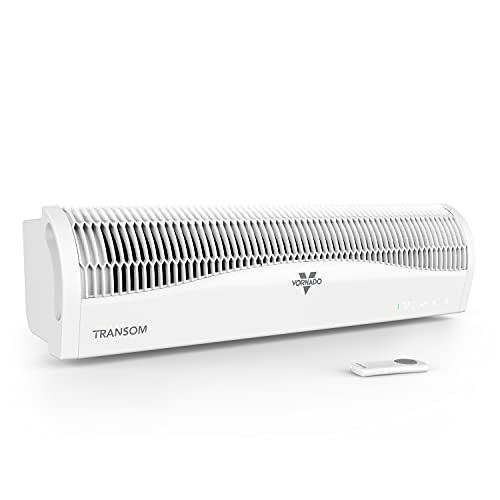
Best for whole-room ventilation in casement setups that can accept a wider, low-profile unit. This model offers four speed settings and an electronically reversible chamber, enabling easy switch between intake and exhaust. Its low-profile design and 26″–40″ window compatibility make it a strong choice for larger casement openings. A consideration is the need for a snug seal kit to maximize efficiency in tight casements.
Comfort Zone Twin Window Fan With Reversible Airflow

Best value for auto-locking expanders and three-speed control. This twin-fan unit supports intake, exhaust, and circulating modes, with expanders adjustable from 22-1/4″ to 33″. It’s well-suited for renters or budget-conscious buyers who still need flexible airflow and a secure fit in many casement and double-hung windows. A minor limitation is that it uses a plug-in design, not battery-powered, which affects placement flexibility.
Bionaire Window Fan With Reversible Airflow

Best for programmable temperature-based operation in mixed casement frames. With three speeds and a programmable thermostat display, this model supports automatic start/stop based on room temperature. It is suited to users who want a set-and-forget solution for maintaining comfortable indoor conditions. The caveat is that thermostat programming adds a layer of setup complexity for new users.
Shinic 9″ Quiet Window Fan With Remote

Best for quiet night cooling in medium casement openings. The 2026 upgraded motor reduces noise while maintaining strong airflow. It offers three reversible airflow modes (Cool, Exhaust, Circulate) and includes remote control for easy operation. A limitation is that larger casement windows may require careful measurement to ensure the expandable panels seal properly.
Buying Guide: How To Choose The Right Window Fan For Casement Windows
What to consider when selecting a casement-friendly window fan
- Fit and expansion range: Check the maximum and minimum widths the expanders can seal securely. Casement windows often have slim frames, so a model with adjustable expanders is essential.
- Airflow and modes: Decide if you need intake, exhaust, or dual-direction airflow. Reversible fans can maximize cross-ventilation in small spaces.
- Noise level: Look for models with quiet operation if the fan will run in bedrooms or home offices.
- Mounting stability: Auto-locking expanders and rigid frames provide secure mounting, especially when operating the fan vertically or in casement openings that require a firm seal.
- Power and control: Remote controls or programmable thermostats add convenience but verify power requirements and placement feasibility in your room.
Which features matter most for casement windows?
- Expandable panels that lock: Prevents air leaks and helps hold the unit in place in non-standard casement openings.
- Versatile airflow directions: Casement windows can be positioned to pull in cool air from outside or exhaust hot air; models with dual heads or 4-speed controls are helpful.
- Easy installation and removal: Renters may prefer lightweight units with straightforward setup for seasonal use.
How to measure for the right fit
Measure the window opening width when the casement is open. Choose a fan whose expanders cover slightly more than the opening but can lock securely. For tall casements, ensure vertical mounting is supported by the unit’s design.
Maintenance tips
- Regularly clean bug screens and dust covers to maintain airflow.
- Inspect expanders and seals for wear; replace seals if you notice gaps.
- Keep the remote control batteries fresh for uninterrupted operation.
Frequently Asked Questions
- Can window fans work in casement windows?
Yes, many models include adjustable expanders and reversible airflow that suit casement openings, with the best options offering secure locking for a snug fit.
- What airflow mode is best for circulating fresh air?
Use intake mode to pull fresh air in and circulating mode to move air between indoors and outdoors without a direct exhaust.
- Are remote-controlled fans better for tight spaces?
Remote controls add convenience, especially when the window is high or hard to reach. They allow quick changes without repositioning the unit.
- What should I do if the fan doesn’t seal well?
Recheck expanders’ alignment, ensure the window frame is clean, and verify that the unit width matches the opening. Consider adding foam sealing tape if gaps persist.
- Do window fans save energy?
Yes, by improving ventilation, they can reduce the need for cooling devices. Efficiency depends on window placement and closure when not actively ventilating.