Best Thermometer for Chicken Coop: Easy Temperature and Humidity Monitoring
Answering the needs of coop keepers, this guide highlights reliable thermometers and hygrometers that help maintain safe, comfortable conditions for poultry. These devices suit small backyard coops, fenced runs, or barns where steady temperature and humidity readings are crucial. Ideal buyers include new chicken owners, homesteaders, and anyone seeking simple, accurate climate monitoring for birds and their housing. The following picks combine straightforward displays, dependable sensors, and practical features for daily use in a coop environment.
Quick buying snapshot:
| Product | Best For | Why It Stands Out |
|---|---|---|
| Serundo Auto Mini Hygrometer Thermometer (2 Pack) | Small coops with limited space | Compact dual-readout with fast updates and °F/°C switching |
| Springfield Indoor Outdoor Big Dial Thermometer | Simple, readable readings | Large, easy-to-read dial with wide temperature range |
| U UNNI Indoor Outdoor Thermometer | Wireless monitoring over moderate distance | 4 Sensor data display, long-range wireless |
| TempPro TP49 Digital Hygrometer | Accuracy-focused environments | High accuracy, quick refresh, comfort indicators |
| AikTryee Outdoor Indoor Hygrometer Thermometer | No-battery option and rugged outdoor use | Analog, battery-free operation with dual readings |
Serundo Auto Mini Hygrometer Thermometer Duo

The Serundo Auto mini hygrometer thermometer set provides a compact, dual-readout solution for coop walls or feeders. It measures both temperature and humidity and offers easy Fahrenheit/Celsius conversion. Best for small coops or nesting boxes where space is at a premium. The device automatically updates readings every 10 seconds, helping you respond quickly to drafts or damp conditions.
Who it’s best for: backyard poultry keepers with limited wall space and a need for quick, visible data. Why selected: affordability, portability, and fast updating sensors suit daily coop management. Limitations: smaller display may be harder to read from a distance.
Springfield Big Dial Indoor/Outdoor Thermometer

This 8-inch dial thermometer is highly legible from a distance, featuring a bold numeric display and a large red pointer. It is factory-calibrated to cover temperatures from -60°F to 120°F (-50°C to 50°C). Choose this when you need a single, conspicuous reading point in the coop or yard. Best for: barns or covered runs where builders prioritize visibility over multiple sensors.
Best for: users who prefer a rugged, straightforward display. Caution: it does not provide humidity readings, so you’ll need a separate hygrometer for humidity tracking.
U UNNI Indoor Outdoor Wireless Thermometer
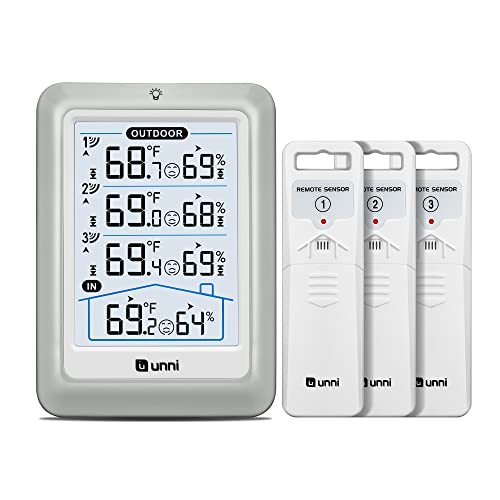
The U UNNI system offers a 4-sensor display with a 330-foot wireless range. It presents indoor temperature, outdoor temperature, and both humidity readings over a wide area. It’s well-suited for larger coops, or if you want to monitor nesting areas, feed storage, or a run from a central hub indoors. Best for: coop setups requiring centralized, real-time data across multiple zones. Caution: wireless systems may require occasional battery maintenance for remote sensors.
TempPro TP49 Digital Hygrometer
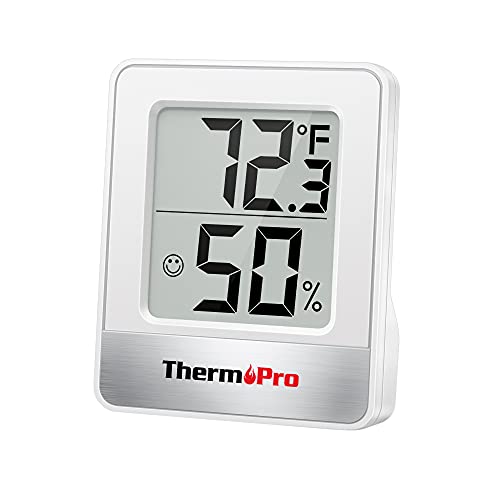
The TempPro TP49 emphasizes high accuracy in both temperature and humidity, with a quick 10-second refresh. It includes a humidity comfort indicator and a dual-parameter display, which can be invaluable in coop environments where humidity influences litter moisture and ammonia levels. Best for: coop operators who prioritize precise climate data and actionable comfort cues. Limitation: it’s a digital handheld-like unit, so placement should minimize exposure to direct water spray.
AikTryee Analog Hygrometer Thermometer

This mechanical, battery-free device presents temperature and humidity readings on an analog dial. It’s simple to operate with no batteries to replace, making it a dependable option in areas with cold weather or where power isn’t readily available. Best for: coop locations where simplicity and durability are valued over connected features. Caution: analog readings require regular visual checks to ensure accuracy over time.
Buying Guide: Key Considerations For Chicken Coop Climate Monitors
- Display and readability: Choose a unit with large numerals or a wide dial for easy at-a-glance reading from the coop doorway or feeders.
- Temperature and humidity range: Ensure the device covers the typical coop range, including summer heat and cool nights, plus humidity levels that influence litter and ammonia.
- Power and battery life: Battery-free options are durable in cold or damp environments, but digital models may offer more precise data if kept dry and correctly installed.
- Wireless vs. wired: Wireless sensors provide coverage across multiple coop zones; wired units offer simplicity but limited range.
- Update frequency: Faster refresh rates (every 10 seconds) give timely readings to address sudden weather changes or drafts.
- Durability: Weatherproof or weather-resistant housings protect devices from rain, dust, and UV exposure common in coop settings.
- Ease of installation: Look for wall-friendly formats and mounting options that won’t interfere with poultry access or feed storage.
Practical Tips For Using A Coop Thermometer/Hygrometer
- Place sensors away from direct sunlight, drafts, and near heat sources like lamps or heaters that could skew readings.
- Track humidity to manage litter moisture and ammonia risk; aim for a stable, comfortable range for poultry.
- Combine a digital model with a simple mechanical unit if you want redundancy during power outages or sensor failures.
- Keep readings in a visible spot at the coop entrance; frequent checks help you adjust ventilation, climate control, or moisture management promptly.
Frequently Asked Questions
- What is the most accurate indoor/outdoor coop thermometer? — Digital hygrometers with calibrated sensors typically provide precise readings, though mechanical options are reliable and battery-free.
- Do I need humidity readings in a chicken coop? — Yes, humidity affects litter and ammonia levels, which impact bird health and comfort.
- How far should a wireless sensor reach? — Look for ranges around 100–330 feet in typical yard setups, depending on obstacles and interference.
- Is Fahrenheit or Celsius better for coop monitoring? — It depends on your preference; most devices switchable between °F and °C, so choose what helps you read data quickly.
- How often should I check readings? — Review readings daily, especially during seasonal changes or heat waves when conditions shift rapidly.
- Can I use more than one device in the same coop? — Yes, using multiple devices can improve coverage across different zones, especially in larger coops or runs.