Best Shipping Container Exhaust Fans for Cooling and Ventilation
Answering the need for reliable, off-grid ventilation in shipping containers, these solar-powered exhaust and vent kits keep hot air moving, reduce moisture, and protect contents without reliance on electrical wiring. They’re ideal for owners of storage containers, mobile workshops, or remote sites where grid power is limited. The top picks below are selected for different use cases—from off-grid solar-only setups to plug-in options for occupied spaces.
| Product | Best For | Notes |
|---|---|---|
| Solar Blaster Solar Mega RoofBlaster | 3.5″ ribbed Conex roofs | Solar-powered roof vent with compatibility for 3.5″ ribs |
| USA Containers 10W Solar Roof Vent (530 CFM) | High airflow, heat control | Precision base fits standard rib roofs |
| USA Containers Solar Powered Wall Vent (120 CFM) | Off-grid wall mounting | No wiring; 10W panel |
| PROPART Dual Exhaust Solar Vent (600 CFM) | High airflow, dual exhaust | Dual 2688 RPM fans |
| Krysolad Solar Vent Kit (2 Fans) | Low-cost dual-fan kit | 15W foldable panel |
Solar Blaster Mega RoofBlaster for 3.5″ Ribbed Conex Shipping Container Vent

Best for: Shipping containers with 3.5″ roof ribs where solar-powered roof ventilation is prioritized. This vent operates on solar energy, ventilating when sun is shining and allowing hot air to escape as it rises.
Why selected: It provides solar-powered operation, reducing or eliminating the need for external power. Paired with lower intake vents, it helps establish uniform air movement, refreshing interior air every few minutes depending on container size and airflow (CFM).
Limitations: Designed specifically for 3.5″ rib roofs; ensure rib measurement matches before purchase. Not a universal fit for all rib sizes without measuring first.
10W Solar Roof Vent for Shipping Containers – USA Containers 530 CFM High-Airflow

Best for: High-airflow, sun-powered roof ventilation with precise 15.75” x 15.5” base alignment for standard rib roofs.
Why selected: A robust 530 CFM capability powered by a 10W solar panel moves a large volume of air, helping vent heat and reduce moisture to protect contents and reduce condensation risk in varying climates.
Limitations: Solar-only operation means airflow can vary with sun exposure; ideal for daylight use or paired with other vents for continuous ventilation.
USA Containers Solar Powered Wall Vent Fan – 120 CFM

Best for: Off-grid wall-mounted exhaust for ISO Conex and storage containers where wall installation is preferred.
Why selected: No wiring required with a built-in 10W solar panel; up to 120 CFM helps evacuate heat, humidity, and stale air, reducing the risk of condensation and rust on stored items.
Limitations: 120 CFM is lower than some roof-based options; best for smaller spaces or supplementary ventilation in larger containers.
PROPART Solar Powered Conex Container Vent – 600 CFM Dual Exhaust
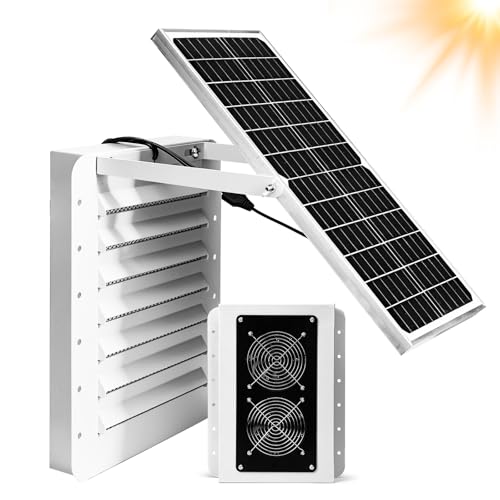
Best for: High-demand cooling needs in larger containers or where rapid heat and moisture removal is critical.
Why selected: Dual 2688 RPM fans deliver up to 600 CFM, expelling heat and moisture quickly, with a weather‑proof solar panel designed for harsh conditions.
Limitations: Heavier duty unit may require more mounting space and careful installation to maintain sealing on ribbed roofs.
Shipping Container Solar Vent Kit – 2 Fans, Krysolad

Best for: Affordable dual-fan solar ventilation kits for small to medium containers or DIY installations.
Why selected: Two high-speed 2688 r/min fans with a 15W foldable solar panel offer solid airflow and a straightforward install, suitable for budget-conscious buyers seeking dependable solar operation.
Limitations: May require careful positioning for optimal sun exposure; ensure fit with container roof layout and consider additional intake vents for balanced airflow.
Buying Guide: Key Considerations For Choosing a Shipping Container Exhaust Fan
- Power source: Do you need off-grid solar only, or is a solar + AC/DC option preferable for occupied containers?
- Airflow needs: Consider CFM ratings in relation to container size. Higher CFM moves more air and reduces heat faster but may require more energy.
- Mounting compatibility: Verify rib size (3.5″ vs 6.5″) and roof or wall mounting options to ensure a proper seal and fit.
- Durability: Look for weatherproof housings, UV resistance, and corrosion protection for long-term use in sun, rain, and salt environments.
- Installation complexity: Some kits offer plug-and-play installation, while others require more intensive mounting work; plan for sealing and insect screens where applicable.
- Maintenance: Check for accessible fan blades and simple cleaning procedures to sustain airflow over time.
Frequently Asked Questions
- What is the main benefit of a solar-powered shipping container vent?
Answer: It provides ventilation without relying on electrical wiring, useful for remote or off-grid sites. - How do I know which CFM rating I need?
Answer: For a standard 20-foot container, 100–600 CFM is common; larger spaces or hotter climates may require higher CFM for effective cooling. - Are solar vents weatherproof?
- Can I install multiple vents to improve airflow?
- Do these vents require maintenance?
- Is a wall-mounted vent better than a roof vent?
Answer: Many models use weatherproof housings and UV-resistant finishes, but always verify IP ratings and installation guidelines for your climate.
Answer: Yes, pairing inflow vents with exhaust vents improves circulation and reduces stagnant air; ensure balanced placement for even airflow.
Answer: Routine cleaning of vents and screens helps maintain airflow and prevent blockages from debris or insects.
Answer: It depends on the container layout and space; roof vents capture rising hot air effectively, while wall vents offer convenient placement and easy access for maintenance.
This selection provides a range of solar-powered and off-grid options to suit different container sizes, roof configurations, and climate conditions. Each choice emphasizes practical installation, reliable airflow, and protection for stored goods, making them suitable for both DIY installers and professionals managing multiple units.