Best Sheet Metal for HVAC: Top Materials and Tools for Ductwork and Duct Fabrication
Yes—choosing the right sheet metal and folding tools matters for HVAC ductwork and DIY projects. This guide highlights five practical options that balance workability, durability, and compatibility with common HVAC tasks. The top picks cover aluminum sheets for lightweight, corrosion-resistant panels and steel sheets for strength, plus folding tools designed to create precise bends and seams.
Buyer types: professionals seeking reliable, repeatable results will benefit from dedicated folding tools; DIY enthusiasts may prefer versatile sheet metal options that are easy to work with and weld. The following table provides a quick comparison of the selected products.
| Product | Key Use | Material | Best For |
|---|---|---|---|
| Posnaland 15.25 Inch Hemming Tool | Edge folds and hems | Steel | Roofing, HVAC panels |
| Hurricane 12 Inch Sheet Metal Folding Tool | Precision folds | Carbon steel | Ductwork, seams |
| SLNIHAMS 12 Inch Folding Tool | Professional-grade bends | Steel | HVAC ducts, pans |
| 6 Pack ZOFORTY 5052 Aluminum Sheets | Lightweight panels | 5052 Aluminum | Non-magnetic, corrosion-resistant projects |
| Tlence 6 Pack 5052 Aluminum Sheets | Flat sheets for fabrication | 5052 Aluminum | Crafting, lightweight duct components |
Posnaland 15.25 Inch Sheet Metal Hemming Tool
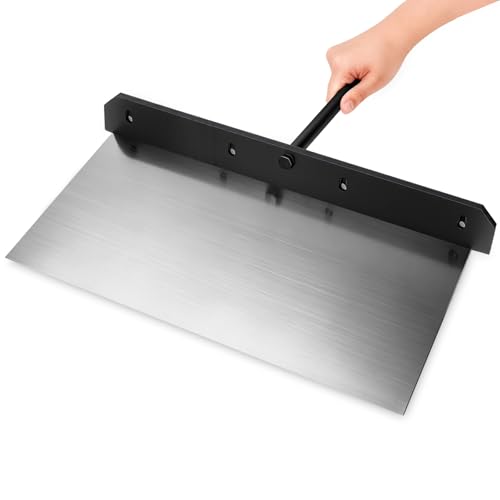
The Posnaland hemming tool is designed for crisp, consistent folds and hems in sheet metal up to 0.4-1.2 mm (26-22 gauge). It offers a 1-inch hem depth and a rugged, three-piece construction for durability in demanding HVAC tasks. Best for professionals needing reliable duct hems and roof panel folds. A potential limitation is that thicker or harder metals may require more manual effort or extended tooling time.
Why it’s selected: It provides a dedicated, consistent hem while minimizing material distortion. The tool’s depth options support common HVAC duct tab and seam requirements, making it a go-to for site-ready fabrication.
Hurricane 12 Inch Sheet Metal Folding Tool

Designed for professional HVAC folding tasks, the Hurricane folding tool uses industrial-grade A3 steel and synchronized sight holes to ensure precise, repeatable folds. It offers two folding depths—3/8″ and 1″—suited for drive cleats, plenums, and trunk line end caps. Best for projects requiring high accuracy and a robust build. Limitation: higher price and heavier weight relative to entry-level tools.
Why it’s selected: Its precision alignment and dual-depth capability support complex duct assemblies and professional-grade fabrications, reducing misalignment and rework on critical HVAC components.
SLNIHAMS Sheet Metal Bender

The SLNIHAMS 12-inch folding tool emphasizes durability with rugged 16-gauge steel and built-in sight alignment holes. It supports 3/8″ and 1″ folds, making it versatile for HVAC pans, seams, and duct components. Best for professionals needing reliable folds and a tool designed for repeated use. Limitation: may require a sturdy workbench and practice to maximize precision.
Why it’s selected: It offers a balance of toughness and user-friendly features, enabling accurate bends essential for ductwork assemblies and custom panels without sacrificing speed.
2 Pieces 6061 T651 Aluminum Sheet Metal

The 6061 T651 aluminum sheets offer high strength, good corrosion resistance, and excellent machinability. While not as formable as some steels, they are heat-treatable and weldable, making them suitable for structural framing and light-duty HVAC components. Best for projects needing a strong yet lightweight metal with reliable weldability. Limitation: limited formability compared to softer alloys, so complex bends may require additional treatment.
Why it’s selected: 6061 sheets provide a solid balance of strength and machinability for fabricated HVAC frames, mounting plates, and lightweight duct components where weight matters.
Buying Guide
What material should I choose for HVAC ducts and enclosures?
Aluminum sheets, especially 5052, are lightweight, corrosion-resistant, and easier to cut and weld for non-load-bearing components. Steel sheets (20 gauge or thicker) are stronger for structural elements and parts subject to higher loads or impact. Consider corrosion exposure and weight when selecting between aluminum and steel.
When is a folding tool essential?
Folding tools are essential for creating clean hems, seams, and drive edges in ducts and ducts-related panels. Tools with adjustable fold depths, alignment features, and durable construction yield the most repeatable results on HVAC assemblies.
What thickness should I target for DIY HVAC work?
For general ductwork and light fabrications, 0.02 inch to 0.039 inch (0.5 mm to 1 mm) thickness is common. Heavier loads or structural components may require thicker steel (20 gauge or thicker). Always verify compatibility with your project’s requirements and tools.
What are common limitations to expect?
Aluminum sheets are non-magnetic and can be more challenging to weld for some alloys. Steel sheets, while strong, are heavier and may require more effort to form. Tools may have a learning curve for achieving perfect bends, especially at small radii or complex angles.
How should I plan a ductwork project?
Start with a materials list: select sheet metal type, thickness, and needed fittings. Pair sheets with a folding tool kit for hems and seams. Ensure you have appropriate clamps, protective gear, and a stable work surface. Plan for waste and scrap, especially on precision fabrications.
What safety considerations apply?
Wear eye protection, cut-resistant gloves, and hearing protection when grinding or punching. Handle sharp edges carefully, and secure sheets during bending to prevent slips and injuries.
FAQ
- Q: Are aluminum sheets good for HVAC ducts? A: Yes, aluminum 5052 sheets are lightweight, corrosion-resistant, and weldable, suitable for non-structural duct components.
- Q: Can I bend steel sheets without special equipment? A: A folding tool or brake increases precision and reduces tool wear; some bending can be done with hand tools but may risk deformation.
- Q: Which thickness is easiest for beginners? A: 0.02 to 0.039 inches (0.5–1 mm) is generally manageable for DIY projects and duct panels.
- Q: Do I need different tools for aluminum vs. steel? A: Yes. Aluminum can be softer and may require different dies or speeds; steel requires stronger tooling and sometimes different coatings.
- Q: Is a locking mechanism important in hemming tools? A: A locking mechanism helps maintain consistent folds and protects the workpiece during repeated use.