Best HVAC Secondary Drain Pan Options for Condensation Management
When selecting a secondary drain pan for an HVAC system, the goal is reliable condensate collection, leak prevention, and durable construction. This guide highlights five proven options that suit different setups—from compact evaporator units to larger multi-unit applications. Best fits include homeowners protecting living spaces, small businesses seeking dependable drainage, and technicians needing versatile sizing. Each product section includes who it’s best for, why it was selected, and practical cautions to consider for installation and compatibility.
Overview Of Top Picks
- DiversiTech 6-2748L — Best overall plastic option for compact spaces and corrosion resistance.
- DiversiTech 6-2626L — Best for medium installations with a seamless, durable plastic tray.
- Heavy-Duty Galvanized Steel Drain Pan (24”x24”x2″) — Best for rugged, long-term protection and high durability.
- Diversitech 6-2763L — Best for wider outlets and deeper pans in larger condensate paths.
- GHTCLDF Drip Pan (31 x 12 x 1.9 in) — Best stainless option with enhanced spill prevention and drainage.
DiversiTech 6-2748L A/C Secondary Plastic Condensate Drain Pan

Best for compact HVAC setups that require a reliable, sealed plastic tray. This pan is vacuum-formed from non-toxic ABS plastic with rolled edges and a ribbed bottom for strength. It protects indoor environments from overflow and potential water damage by offering a seamless, durable design.
Who it’s best for: Homeowners with smaller air handlers or limited under-unit space seeking long-lasting, corrosion-resistant containment.
Why selected: Lightweight plastic with rolled edges reduces risk of leaks, and the seamless design minimizes rust and seam failures over time.
Practical caution: Verify compatibility with your evaporator’s drip line size and mounting clearances before installation.
DiversiTech 6-2626L A/C Secondary Plastic Condensate Pan
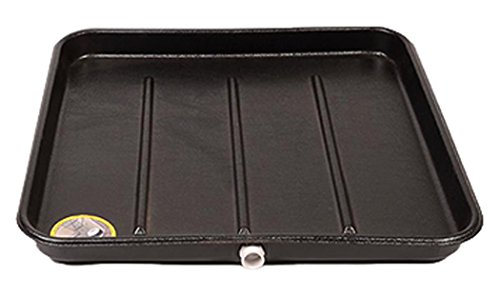
Best for medium-sized installations calling for a sturdy, seamless plastic drip tray. Like the 6-2748L, this model is vacuum-formed from non-toxic ABS with rolled edges and a ribbed bottom, enhancing rigidity and reliability across longer service periods.
Who it’s best for: Mid-range residential or small commercial units needing a durable, rust-proof tray with simple installation.
Why selected: Balanced dimensions and robust plastic construction provide strong condensate control without corrosion concerns.
Practical caution: Check your cabinet or equipment footprint to ensure the 26” x 26” size fits without restricting access for maintenance.
Heavy-Duty Galvanized Steel Drain Pan (24”x24”x2″)
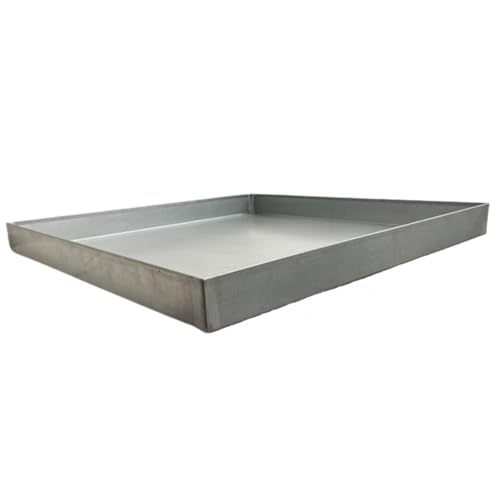
Best for rugged applications that require steel construction and robust protection against water damage. This pan is a heavy-duty galvanized steel unit designed for long-term use, with customizable options such as pre-drilled holes to fit specific installations.
Who it’s best for: Commercial spaces or high-use environments where metal pans provide superior durability and structural stability.
Why selected: Steel construction offers high resistance to impact and corrosion in demanding settings.
Practical caution: The metal pan may require careful handling during installation to avoid dents; confirm hole configuration before attaching drainage fittings.
Diversitech 6-2763L A/C Secondary Pan, 27″ x 63″

Best for larger condensate pathways and wider discharge outlets. This model features a bottom design suitable for longer pans, with a 3/4-inch PVC discharge fitting for reliable drainage.
Who it’s best for: Multi-branch HVAC systems or installations requiring a long drain path and a deeper tray.
Why selected: The larger footprint and 2-inch depth provide ample capacity to prevent overflowing in higher-traffic systems.
Practical caution: Ensure the discharge pipe routing has clearance for the longer pan length and avoids sharp bends that could impede flow.
GHTCLDF Drip Pan, Condensate Drain Pan

Best for stainless steel durability with enhanced spill prevention. The 0.8mm thick 304 stainless steel build offers long service life and reliable drainage through a seamless welded outlet.
Who it’s best for: Environments where stainless steel is preferred for corrosion resistance and ease of cleaning.
Why selected: Stainless construction coupled with a high spill prevention edge helps protect walls and floors from condensate drips.
Practical caution: Stainless pans can be heavier and may require more robust mounting hardware during installation.
Buying Guide: Key Considerations For Secondary Drain Pans
- Material: Plastic pans are corrosion-resistant and lightweight; metal pans (galvanized steel or stainless) offer durability in demanding environments.
- Size and fit: Measure evaporator width and any pre-drilled hole patterns to ensure a precise fit in the unit or cabinet.
- Drain fittings: Look for compatible discharge outlets (PVC, standard fittings) and ensure adequate clearance for piping.
- Seam integrity: Seamed designs may be prone to leaks over time; seamless or welded constructions reduce leak risk.
- Durability: Consider edge treatments (rolled edges) and ribbed bottoms for strength and long-term rigidity.
- Application environment: Homes vs. commercial spaces can dictate material choice and capacity needs.
Frequently Asked Questions
- What is the primary purpose of a secondary drain pan?
To collect condensate and prevent leaks or overflow from HVAC equipment into indoor spaces.
- Which material is best for corrosive environments?
Stainless steel pans offer superior corrosion resistance compared to basic plastic trays.
- Do I need a pan with pre-drilled holes?
Pre-drilled holes enable easier mounting and alignment with existing drain outlets; choose based on installation needs.
- Can a larger pan cause drainage issues?
Only if piping or outlets cannot handle the condensate flow; ensure outlet sizing matches the system’s discharge rate.
- How do I choose between a plastic vs. metal pan?
Plastic pans are lighter and corrosion-resistant; metal pans are more durable in heavy-use or industrial environments.
- Is a seamless design always better?
Seamless pans reduce leak risk, especially in prolonged operation and high humidity conditions.