Best Non Insulated Flexible Ducts for HVAC and Ventilation Projects
Answering your search for non insulated flexible duct options, this guide highlights five reliable choices designed for HVAC, exhaust, and ventilation tasks. These ducts are chosen for easy installation, durability, and suitability for non-insulated performance. Ideal buyers include DIY homeowners, small workshop operators, and hobby growers needing basic, flexible airflow solutions without insulation bulk.
Summary of selected products:
- Simple Deluxe 12 Inch 25 Feet Ducting — Non-Insulated Aluminum Foil Duct
- 8 Inch 25 Feet Flexible Duct Non-Insulated Duct Hose — FDTDUCT
- VIVOSUN 4” Flexible Aluminum Duct, 25 FT — Heavy-Duty (Non-Insulated)
- VIVOSUN 6 Inch Black Flex Air Aluminum Ducting, 25 FT — Non-Insulated
- VIVOSUN 4” Flexible Aluminum Duct, 25 FT — Non-Insulated (Alternative Choice)
Simple Deluxe 12 Inch Non-Insulated Ducting

Key features: High quality flame-retardant aluminum; resistant to high temperatures (0 – 185°F) and corrosion; comes with heavy-duty stainless steel clamps for a seamless junction; four-layer protection improves durability and leak resistance; internal and outer layers use flame-retardant aluminum foil with a durable PET middle layer.
Best for: Projects requiring robust, non-insulated airflow paths where heat resistance and a secure seal matter—like garage or workshop venting, or kitchen exhaust lines. Choose this if you need extra layer protection and reliable clamps.
Limitations: Heavier than some lightweight flex ducts; may require more mounting support for long runs.
FDTDUCT 8 Inch Non-Insulated Duct Hose, 25 Feet
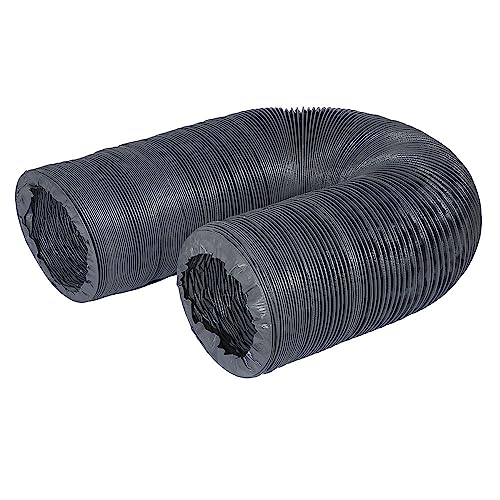
Key features: 8″ ducting with three-layer protection; internal and outer layers are heavy-duty aluminum foil for flame retardance; PET middle layer guards against cuts and leaks; designed to reduce noise and improve airflow alignment with standard 8″ fans or vents.
Best for: Larger-diameter ventilation runs, grow tents, grow rooms, or kitchen exhaust with non-insulated needs. Opt for this if you need strong structural integrity and a wide cross-section for high airflow.
Caution: Ensure compatibility with your fan or vent diameter to avoid leaks at connections.
VIVOSUN 4” Flexible Aluminum Duct, 25 FT

Key features: Durable aluminum construction; compatible with duct fan systems; includes clamps for a tight seal; multi-layer design offers reliability under varying temperatures; designed to handle air movement in ventilation setups.
Best for: Small-to-medium airflow projects where a compact 4″ duct is needed, such as venting spaces or connecting a non-insulated duct run to a fan. Choose this if you need a balance between flexibility and sturdiness.
Limitation: Moderate length and diameter mean airflow is best for shorter runs or connections in constrained spaces.
VIVOSUN 6 Inch Black Flex Duct, 25 FT

Key features: Premium aluminum surface with a built-in steel wire reinforcement for durability; multi-layer construction includes a flame-retardant inner foil, PET middle layer, and a flexible outer layer; stainless steel clamps for leak-free connections; designed for high-temperature resistance and long service life.
Best for: Medium to large ventilation runs where non-insulated flexible ducting is required, particularly in enclosed spaces like grow tents or basements. Choose this for higher airflow demands and extra durability.
Limitation: The 6″ diameter may require more space and larger fittings, which could limit installation options in tight areas.
Simple Deluxe 12 Inch Non-Insulated Ducting (Alternative)
Key features: Flame-retardant aluminum construction; corrosion-resistant; stainless steel clamps for secure connections; multi-layer protection offers durability and leak resistance; suitable for a range of ventilation tasks and flexible routing.
Best for: High-volume exhaust or intake lines where a larger 12″ diameter fits the project, such as shop exhausts or large room ventilation. Choose this if you need maximum airflow in a flexible duct.
Limitation: Very wide diameter requires appropriate mounting space and might not fit tighter installations.
Buying Guide: Non-Insulated Flexible Ducts
- Material and construction — Look for aluminum foil layers with a PET middle layer for tear resistance and leak prevention. Non-insulated ducts rely on their exterior coatings for protection, so corrosion resistance matters.
- Diameter and length — Select a size that matches your fan or vent and plan run lengths conservatively to minimize leaks at joints. Longer runs may need additional clamps and supports.
- Connections and clamps — Stainless steel or heavy-duty clamps help ensure airtight seals. Confirm compatible diameters with your equipment before purchase.
- Temperature tolerance — Non-insulated ducts are often used in spaces with moderate heat. Check the rated temperature range to avoid material degradation.
- Noise considerations — Some designs include features to reduce fan noise; if quiet operation is important, evaluate internal layering and fit with dampening components.
- Installation practicality — Flexible ducts are easier to route in tight areas but require careful fastening to prevent kinks and sags that hinder airflow.
Quick Comparisons
- Best for large airflow: Simple Deluxe 12 Inch Non-Insulated Ducting and 8 Inch FDTDUCT option
- Better for compact spaces: VIVOSUN 4” Flexible Duct and 6 Inch Black Flex Duct
- Choose this if you need robust clamps and multi-layer protection: VIVOSUN 6 Inch and Simple Deluxe 12 Inch
FAQ
- What is a non-insulated flexible duct best used for? Answer: It is best for venting air in spaces where insulation is not necessary or where heat transfer is not a concern, such as dry, cool workshops or certain dryer and exhaust paths.
- Can I connect non-insulated ducts to insulated components? Answer: Yes, but ensure a tight seal with appropriate clamps and, if needed, transition adapters to fit different diameters.
- Are non-insulated ducts suitable for high-temperature applications? Answer: They can withstand moderate temps, but always check the temperature rating printed on the product to avoid material damage.
- How do I avoid leaks in long duct runs? Answer: Use the correct diameter, keep bends smooth, and secure with multiple clamps at each connection.
- Do non-insulated ducts require inner liners for airflow efficiency? Answer: Not typically; the design focuses on airflow through the duct’s walls. Ensure joints are sealed well for optimal performance.
- What should I consider when choosing between 4″, 6″, and 8″ ducts? Answer: Diameter impacts airflow volume; larger diameters move more air but require more space and mounting hardware.