Best HVAC With Heat Pump Solutions for Efficient Home Comfort
Looking for an HVAC system that combines heating and cooling with energy efficiency? This guide features five top-rated heat pump–based solutions that suit different homes and budgets. The selections prioritize inverter or variable-speed technology, compatibility with central systems, and reliable heating in cold climates. Best for homeowners upgrading an existing central system, small business spaces needing robust climate control, or anyone seeking year‑round comfort with energy savings.
| Product | Type | BTU / Capacity | Best For |
|---|---|---|---|
| Senville 3 Ton Central Air Conditioner Heat Pump Split System | Central Split | 36,000 BTU | Medium to large homes; central system upgrade |
| ACiQ 3 Ton Packaged Heat Pump Unit | Packaged | 36,000 BTU | All-in-one solution for new installations |
| ACiQ 2.5 Ton Central Heat Pump Split System | Split System | 30,000 BTU | Multi‑room homes; flexible indoor installation |
| ACiQ Essentials 2 Ton Central Inverter Heat Pump | Split System | 24,000 BTU | Smaller homes; energy-efficient operation |
| ACiQ 3 Ton Heat Pump Condenser | Condenser | 36,000 BTU | Compatibility with existing air handlers |
Senville 3 Ton Central Air Conditioner Heat Pump Split System

The Senville system combines a central air conditioner with inverter technology and a variable-speed compressor. It is designed to transform a traditional central setup into a more efficient mini-split configuration, reducing energy waste during cooling. Best for homeowners upgrading an existing central system to gain better efficiency and quieter operation.
Best for: larger homes or spaces up to about 2,000 square feet that want robust cooling with efficient heating. It supports reliable warmth down to -22F/-30C in heating mode, complementing a central cooling strategy.
Limitations: Installation may require professional conversion of a central system to accommodate the heat-pump split layout, and footprint is larger than some ductless options.
ACiQ 3 Ton Packaged Heat Pump Unit

This all-in-one packaged heat pump unit combines heating and cooling in a single cabinet, ideal where indoor space is limited or where a simple installation is preferred. It features a 36,000 BTU capacity suitable for mid-to-large spaces and uses R32 refrigerant for efficiency. Best for: homes or small commercial spaces that want a ready-to-install, high-capacity system with low external footprint.
Best for: new installations or upgrades when an integrated outdoor unit and air handler are preferred in one enclosure. Consideration: ensure the site can accommodate a packaged design with appropriate ventilation needs.
ACiQ 2.5 Ton Central Heat Pump Split System
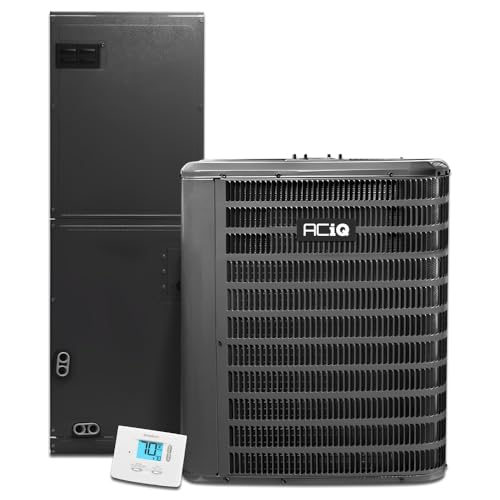
This 2.5-ton system pairs a heat pump condenser with an efficient air handler, featuring an ECM blower motor and durable evaporator materials. It is designed to deliver reliable year‑round comfort with energy-saving operation. Best for: multi‑zone homes seeking balanced heating and cooling without oversized equipment.
Best for: practical upgrade or new install for medium homes. Limitation: performance may be reduced in extreme heat or cold if paired with undersized components.
ACiQ Essentials 2 Ton Central Inverter Heat Pump
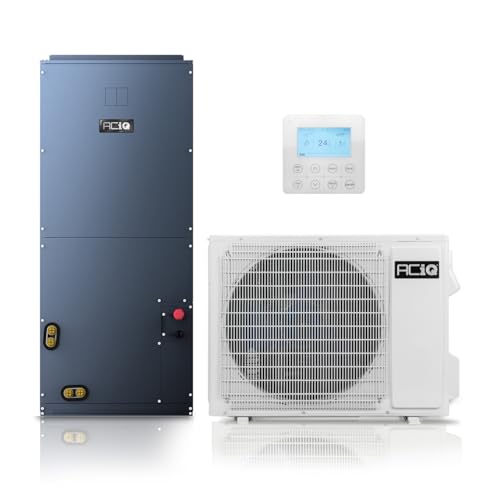
This 2-ton inverter heat pump provides variable-speed operation for precise temperature control and lower energy costs. It supports cooling from 5°F to 125°F and heating from 5°F to 75°F, with optional electric back-up heat for colder conditions. Best for: smaller homes or apartments where quiet operation and energy efficiency matter most.
Best for: homeowners prioritizing energy savings and smooth, responsive temperature adjustments. Caution: ensure compatibility with existing ductwork or indoor air handlers before installation.
ACiQ 3 Ton Heat Pump Condenser

This condenser unit is designed for high performance with a focus on efficient heat transfer and quiet operation. It includes protective features and construction designed to withstand harsher climates. Best for: households with existing indoor air handlers that need a compatible, efficient outdoor condenser.
Better for: upgrading an older system or expanding capacity for additional zones. Limitation: required pairing with an appropriate indoor unit and controls for optimal performance.
Buying Guide: Key Considerations For Choosing A Heat Pump System
- Size and capacity: Match BTU ratings to your space. Oversized units waste energy; undersized units struggle in extreme temperatures.
- Split vs packaged: Split systems separate indoor and outdoor units; packaged units place components in one cabinet. Choose based on space, installation preferences, and existing ductwork.
- Inverter vs single-speed: Inverter-driven compressors adjust power to demand for steadier temperatures and lower energy use. Better for varying loads.
- Climate suitability: Consider minimum operating temperatures. Some models are designed to function well in very cold climates; others excel in milder regions.
- Efficiency ratings: Look for SEER2 and HSPF values; higher numbers indicate better energy efficiency. R32 refrigerant typically offers lower global warming potential.
- Air handler compatibility: Ensure existing indoor units and ductwork can interface with the new outdoor condenser or packaged unit.
- Installation considerations: Some systems require professional retrofits or electrical upgrades. Verify clearances, electrical service, and space for outdoor units.
- Backup heat options: Many heat pumps offer auxiliary or emergency heat. Assess needs for very cold days or extended cloudy periods.
FAQs
- What is a heat pump inverter system?
Inverter systems adjust compressor speed to match cooling or heating demand, improving comfort and reducing energy use compared to single-speed units. - Which option is best for upgrading an existing central system?
A split system that integrates with existing air handlers, like the Senville or ACiQ Split options, often balances compatibility with efficiency gains. - Are packaged heat pump units easier to install?
Packaged units consolidate components, which can simplify installation where ducting is straightforward, but space and ventilation requirements must be considered. - Do heat pumps work well in very cold climates?
Some models provide reliable heating down to -22F/-30C or lower, but performance can vary by model and installation specifics. - What refrigerant do these units use?
Many current ACiQ models use R32 refrigerant, which offers lower global warming potential while maintaining efficiency. - How do I choose the right size?
Consider the square footage, insulation levels, windows, and climate zone. A professional load calculation helps ensure accuracy.