Best Flexible Elastomeric Pipe Insulation for Home and Shop Use
Flexible elastomeric pipe insulation offers excellent thermal performance, moisture resistance, and easy installation for both hot and cold piping. This guide highlights five top options, clarifying who each product is best for and why they stand out. Whether you’re a DIY homeowner, a professional plumber, or an HVAC technician, you’ll find choices that fit common pipe sizes and installation scenarios. Read on to compare materials, installation ease, and practical limitations to help you pick the right insulation for your project.
Buying quick reference: the table below summarizes the five selected products, their key strength, and typical use case. Use this as a starting point to narrow your pick before reading deeper product details.
| Product | Best For | Key Benefit |
|---|---|---|
| K-FLEX USA 3/4″ x 6 ft. | Residential and commercial piping projects | Reliable temperature regulation with durable material |
| Pipe Insulation Self Seal Tube, 6 Feet | Versatile, long runs with copper, PEX, PVC, CPVC | Flexible installation and good thermal performance |
| K-Flex USA Pipe Insulation, 5/8″ OD | Mexico-made budget-friendly option | Elastomeric insulation at a lower cost |
| Duck Brand Foam Pipe Covers | DIY projects and simple residential installations | Pre-slit, self-sealing for quick setup |
| QWORK Pipe Wrap Insulation, 2 Pack | Long runs on hot or cold pipes with moisture protection | Waterproof foam insulation with adhesive tape |
K-FLEX USA 3/4″ x 6 ft. Elastomeric Pipe Insulation
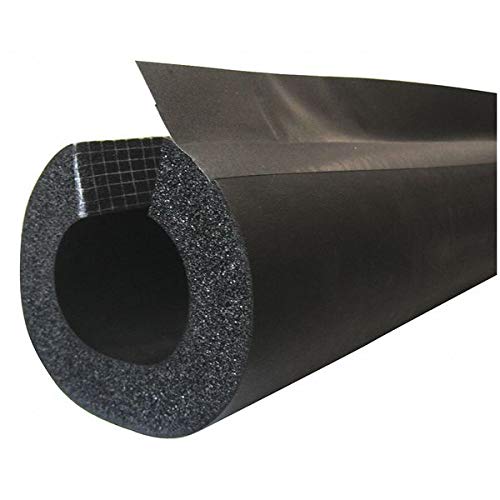
Best for reliably regulating temperature on standard residential and commercial piping. This option uses durable elastomeric material with a 0.25″ thickness and a 3/4″ diameter, designed for easy coverage and long-lasting performance. The 6-foot length suits common runs in kitchens, bathrooms, and utility rooms.
Who it’s for: homeowners upgrading insulation on visible or accessible pipes and contractors looking for a dependable, proven product from a top brand. Limitation: the product description emphasizes aluminum as a protective feature; verify compatibility with your pipe material before purchase, as some configurations may vary by batch.
Pipe Insulation Self Seal Tube, 6 Feet
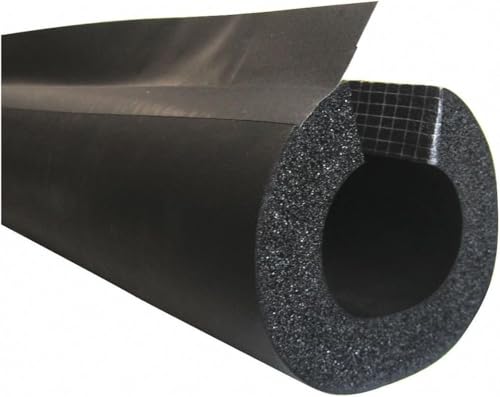
Best for versatile installations on copper, PEX, PVC, and CPVC pipes. This 2″ x 6′ tube uses elastomeric rubber material marketed for durability and temperature control. It is well-suited for both plumbing and HVAC applications, including garages and crawl spaces.
Who it’s for: professionals needing flexible coverage for various pipe types and DIYers tackling complex layouts. Limitation: the listing emphasizes elastomeric rubber; ensure exact size compatibility with your pipe ID/OD before purchasing.
K-Flex USA Pipe Insulation, 5/8″ OD, 6 ft. L

Best budget option from a trusted brand for standard elastomeric insulation needs. The 5/8″ OD and 6-foot length cover typical residential pipes, and the elastomeric composition supports energy efficiency in hot water lines and condensation control on cold lines.
Who it’s for: value-conscious buyers and maintenance crews needing a straightforward, proven insulation solution. Limitation: the product line’s focus on affordability may mean fewer advanced features compared to premium options.
Duck Brand Foam Pipe Covers

Best for quick DIY insulation on hot and cold water pipes with a simple installation. Pre-slit design and self-sealing edges make it easy to secure around curves and elbows. Suitable for interior piping in homes and light commercial settings.
Who it’s for: DIY enthusiasts and temporary or budget-friendly projects. Limitation: foam coverage may be less durable in long-term outdoor or extreme-temperature environments.
QWORK Pipe Wrap Insulation

Best for long runs needing waterproof, adhesive-backed insulation. The two-pack setup provides extended coverage for hot or cold pipes, protecting against moisture and condensation. The material thickness and adhesive make it a good option for exposed pipes in garages or basements.
Who it’s for: installers prioritizing moisture resistance and fast installation. Limitation: adhesive-backed foam wrap may require careful handling to avoid bubbles on uneven surfaces.
Buying Guide: Key Considerations for Flexible Elastomeric Pipe Insulation
What size do I need? Measure the pipe’s outer diameter (OD) and the required length. Elastomeric insulation is often sold in standard OD sizes and thicknesses; confirm compatibility with your piping. For longer runs, consider pre-slit, self-sealing options to speed up installation.
What material matters most? Elastomeric rubber insulation offers strong thermal resistance and moisture protection. Look for products with a verified elastomeric composition and thickness that matches your climate and pipe temperature range. Some listings mention aluminum or protective facings; verify if these features are needed for your project.
How important is installation ease? Pre-slit, self-sealing edges, and flexible tubes simplify installation on curved or irregular pipes. Adhesive-backed wraps can save time but may require careful application on rough surfaces.
Where will the insulation be used? Indoor plumbing in living spaces benefits from compact, odor-neutral materials. Outdoor or garage installations may require more durable or moisture-resistant variants. Consider exposure to sunlight, temperature swings, and moisture when choosing.
What about energy savings and condensation? Elastomeric insulation reduces heat loss on hot water lines and minimizes condensation on cold lines. This can contribute to lower energy use and drier interior surfaces, especially in basements, crawl spaces, or utility rooms.
FAQ
- What is elastomeric pipe insulation? A flexible, rubber-based insulation designed to minimize heat loss and condensation on pipes, improving energy efficiency and preventing moisture issues.
- How do I choose the right size? Match the insulation OD to your pipe diameter and ensure the length covers the entire run with a little extra for overlaps.
- Is pre-slit insulation easier to install? Yes, pre-slit and self-sealing designs simplify mounting on curved or complex pipe layouts and reduce installation time.
- Can insulation prevent pipe freezing? In cold climates, proper insulation helps reduce the risk of freezing by limiting heat loss from pipes.
- Are there limitations to elastomeric insulation? Durability and longevity can vary by environment; outdoor exposure may require more robust or UV-resistant variants.
- Do I need a professional to install? For straightforward runs, a confident DIYer can install; complex or high-risk piping may benefit from professional installation.