Best Static Pressure Sensors for HVAC and Airflow Monitoring in 2026
Discover the best static pressure sensors for HVAC, duct airflow monitoring, and building management. This guide highlights five top options, explaining who each device is best for and why it stands out. The choices cover compact digital sensors, flexible thin-film options, and ready-to-use display modules. Perfect for facility engineers,HVAC technicians, makers, and building managers seeking reliable pressure data for performance tuning and energy efficiency. A concise buyer’s table follows to help compare at a glance.
Summary Table of Selected Products
- Static Pressure Probes HVAC (2 Pack) – Best for Fieldpiece users and duct-pressure checks in HVAC systems.
- Baxnore Micro Differential Pressure Transmitter – Best for multi-system integration and precise control in complex environments.
- Pressure Sensors Display Module (Copper clad laminate) – Best for compact readouts and easy integration with RP-C sensors.
- Outdoor Static Pressure Sensor, SEN01279 – Best for outdoors and weather-influenced measurements.
- 2PCS Thin Film Pressure Sensor RP-S40-ST – Best for DIY projects, Arduino integration, and flexible applications.
Static Pressure Probes HVAC 2 Pack

The FATCANMA Static Pressure Probes are designed to measure duct static pressure and work with digital or fluid-based devices. The package includes two probes with magnets for easy mounting on metal surfaces, which improves accuracy and reduces setup time. The probes are compatible with common HVAC field devices like the Fieldpiece AMIN2, ADMN2, and SDMN5 manometers, making them a convenient upgrade from single-tube setups. Best for technicians performing quick duct surveys or retrofit measurements where reliable mounting and repeatable readings matter.
Best for: HVAC technicians and technicians upgrading existing metering setups who need a magnetic, easy-to-mount static pressure probe. The two-pack choice reduces the need to swap probes between jobs and provides a backup option in busy service environments.
Caution: Magnetic mounting works best on metal surfaces; on non-metallic ducts, mounting strength may be limited. Ensure proper alignment to avoid probe misreadings if the magnet is not fully engaged.
Baxnore Micro Differential Pressure Transmitter
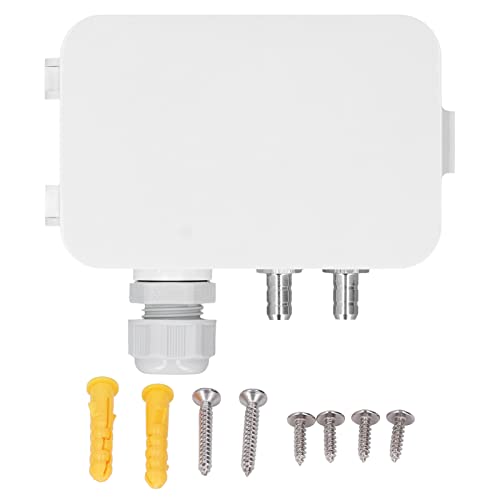
The Baxnore Micro Differential Pressure Transmitter targets precise HVAC control and air-management tasks. It features a micro pressure chip for high accuracy and fast response, with automatic temperature compensation to keep readings stable across environmental changes. The device is designed for seamless integration with various environmental control systems, including HVAC and energy management setups, for comprehensive pressure regulation. This makes it a strong choice where small pressure variations drive critical control actions.
Best for: Building operators and engineers needing high-precision differential pressure data for multi-system integration, with robust temperature compensation to maintain accuracy in changing conditions.
Caution: Specifications emphasize precision and system compatibility; verify compatibility with your existing control network before purchasing to ensure smooth integration.
Pressure Sensors Display Module (Copper Clad Laminate)
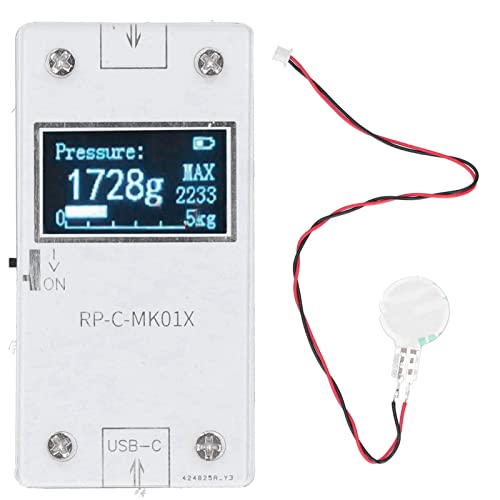
This display module combines a copper-clad laminate pressure sensor with a plexiglass display. It provides a compact, readable solution for displaying pressure readings in RP-C sensor ecosystems. The module suits projects that require a slim footprint and straightforward data presentation, with a data link at a modest baud rate suitable for embedded systems. Ideal for custom installations where space is at a premium and quick readouts are needed.
Best for: Engineers and makers who need a small-format pressure display module that can be integrated with RP-C series sensors for compact monitoring and easy data viewing.
Caution: The module’s data format and power requirements should be matched with your microcontroller and sensor family to avoid communication or charging issues.
Outdoor Static Pressure Sensor, SEN01279

The SEN01279 outdoor static pressure sensor is designed for exterior monitoring, enabling static pressure measurements in open-air or weather-exposed installations. The device emphasizes robust outdoor performance, helping facilities monitor external pressure influences that can affect building pressure balance and ventilation effectiveness. Best for buildings with outdoor-facing ductwork or where ambient conditions significantly impact readings.
Best for: Facilities needing pressure data in outdoor or exposed environments where weather and wind effects can influence indoor pressure dynamics.
Caution: Outdoor sensors may require weatherproofing and periodic maintenance to ensure reliability in harsh conditions; check enclosure suitability for your climate.
Gray Outdoor Static Pressure Sensor with 50′ Tubing
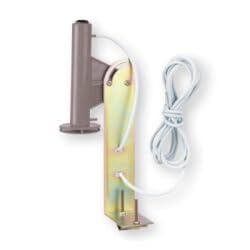
This gray outdoor sensor includes 50 feet of vinyl tubing, enabling flexible placement and longer duct runs from the sensor head to reading points. The product is described as an HVAC pressure sensor, providing a practical option for installations where mounting proximity to the measurement point is constrained. Best for: installations needing extended tubing for measurement access or difficult-to-reach ducts.
Caution: Long tubing can introduce lag or dampening of rapid pressure changes; ensure tubing routing minimizes kinks and reduces air leakage paths.
2PCS Thin Film Pressure Sensor RP-S40-ST

The RP-S40-ST high-accuracy thin-film pressure sensor features a 0.45 mm flexible substrate, capable of detecting minute pressure changes with fast response times. Its analog output is compatible with microcontrollers like Arduino, Raspberry Pi, and ESP32. The sensor is suitable for applications such as robotics, wearables, seat sensing, and other compact, curved-surface deployments. Best for: DIY makers, students, and engineers needing a ultra-thin, highly responsive sensor that can be integrated with common microcontroller platforms.
Best for: Projects requiring a slim, flexible sensor with straightforward analog output and broad microcontroller compatibility. Avoid this if you need a rugged, weatherproof outdoor solution without protective housing.
Buying Guide: Key Considerations For Selecting Static Pressure Sensors
- Measurement purpose: Determine whether you need duct pressure, differential pressure, outdoor sensing, or a display-ready module. Choose accordingly to avoid over-spec or under-spec devices.
- Environment and mounting: Consider indoor vs. outdoor use, exposure to dust or moisture, and mounting methods (magnetic, threaded, or clip-on). Magnetic probes suit metal ducts; flexible or long tubes suit challenging layouts.
- Output and interface: Decide between analog, digital (I2C/SPI), or display modules. Ensure compatibility with your control system or microcontroller platform.
- Accuracy and temperature compensation: Look for automatic temperature compensation and drift resistance if readings must stay consistent across varying conditions.
- Power and connectivity: Review battery life for wireless or low-power needs, and ensure your data pipeline can handle the sensor’s update rate.
- Physical form and longevity: Thin-film and flexible sensors save space but may be less rugged outdoors. Exterior sensors should have appropriate housing or enclosures.
Frequently Asked Questions
- What is static pressure in HVAC and why does it matter? Static pressure measures air resistance in ducts; it impacts airflow, efficiency, and system performance. Accurate sensing helps balance supply and return paths.
- Should I choose a two-pack or a single sensor? A two-pack is ideal for cross-checking measurements, saving time on field setups, and covering multiple measurement points.
- Are outdoor sensors necessary for all installations? Outdoor sensors are beneficial when external conditions influence indoor pressure balance, such as in buildings with outdoor air intakes or variable wind effects.
- What is the advantage of thin-film sensors? Thin-film sensors are lightweight, flexible, and suitable for curved surfaces or compact spaces; they are excellent for DIY projects with tight form factors.
- How do I ensure compatibility with my control system? Check the sensor’s output type (analog vs. digital), voltage levels, and communication protocol; confirm with your HVAC controller or microcontroller before purchasing.
- Can these sensors be used for steady-state and dynamic measurements? Yes, many offer fast response and stable compensation, suitable for both steady-state monitoring and transient events in airflows.