Best Air Conditioner Relay Switches for 24V Systems and HVAC Controllers
Answering your search for reliable air conditioner relay switches, this guide highlights 5 durable, 24V coil relay options ideal for HVAC controls, condensers, and heat pumps. Best for residential and light commercial setups, these relays handle typical AC motor loads and offer robust construction for harsh environments. The top picks range from 1-pole to 2-pole designs, with compatibility notes to help you choose the right unit for your system.
| Product | Poles / Coil | Load Capacity | Best For | |
|---|---|---|---|---|
| Dreyoo 1 Pcs 24V Coil 40A 2 Pole Contactor | 2 Pole, 24V | 40A FLA / 50A RES | Rooftop AC units, refrigeration systems | UL508, moisture sealed coil |
| BOJACK 1 Pole 24 VAC Contactor | 1 Pole, 24V | 40A FLA (30A coil rating in description) | Single-motor loads, condensers | Compact, basic replacement |
| SUNLEE 2 Poles 24 VAC Contactor | 2 Pole, 24V | 40A FLA / 50A RES | Heavy-duty HVAC and commercial units | UL Recognized, A2L compliant |
| Dreyoo 24V 1 Pole Contactor (Carrier/ HK42FZ024 compatible) | 1 Pole, 24V | 40A FLA / 50A RES | Carrier and similar systems | IP65 rated, high temp insulation |
| Dreyoo 24V Fan Relay (SPST) 90-380 Isolation | 1 Pole, 24V | 12A FLA | Blowers, humidifiers, sequencers | UL certified, waterproof |
Dreyoo 24V 2-Pole Contactor — 40A Dual Load

Key features: 24V coil with 2-pole design, 40A full load amperage and 50A resistive load, UL508 standard, moisture-sealed coil, silver oxide contacts with <5mΩ resistance. Best for rooftop AC units and industrial refrigeration. This unit is suitable for 24-48VAC split-phase systems and supports 600VAC/10HP motor loads. The rugged construction includes dust/water resistance and vibration-proof terminals, with Class B insulation rated up to 130°C. Choose this if you need robust dual-pole switching and higher motor-load capability for HVACR equipment.
Who it’s best for: property owners with rooftop units or commercial refrigeration needing a durable 2-pole contactor. Limitation: heavier units may require larger mounting space than compact single-pole relays.
BOJACK 1-Pole 24 VAC Contactor

Key features: 1-pole design with 24 VAC coil and 30A FLA rating per listing. This compact contactor is suitable for smaller compressors or single motor circuits in HVAC condensers. It provides a straightforward replacement option when a two-pole unit is not required. Best for: small, single-motor projects or limited space installations. Caution: confirm that the electrical load does not exceed the 30A FLA specification to avoid overheating.
SUNLEE 2-Pole 24 VAC Contactor

Key features: 2-pole, 24 VAC coil with 40A FLA and 50A resistive load. Silver contacts and Class F insulation provide improved arcing resistance and higher thermal headroom. UL Recognized and A2L compliant, with a UL File No. E508253. Safer for US installations, especially where high temperature environments exist. Best for: mid-size HVAC units that require durable performance and UL-listed parts. Limitation: ensure compatibility with existing lugs and terminal sizes.
Dreyoo 24V 1-Pole Carrier/ HK42FZ024 Contactor
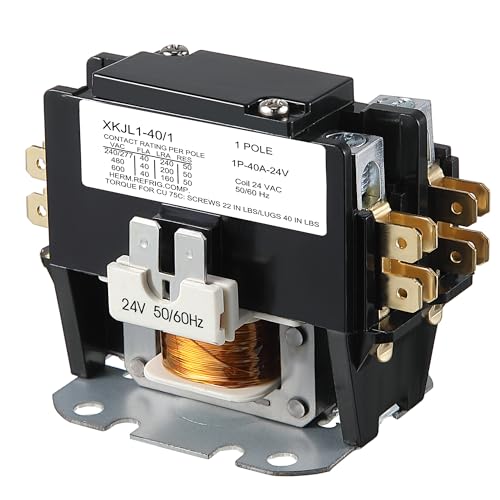
Key features: 1-pole, 24V coil with 40A FLA and 50A RES, UL508/CSA C22.2 compliance. Hermetically sealed coil, Class B insulation, and IP65-level dust/water resistance. Compatible with Carrier HK42FZ024 and other systems. Best for: Carrier and similar-brand replacements where a direct fit is desired. Limitation: may be larger than basic 1-pole relays—check mounting space before installation.
Dreyoo 24V Fan Relay SPST
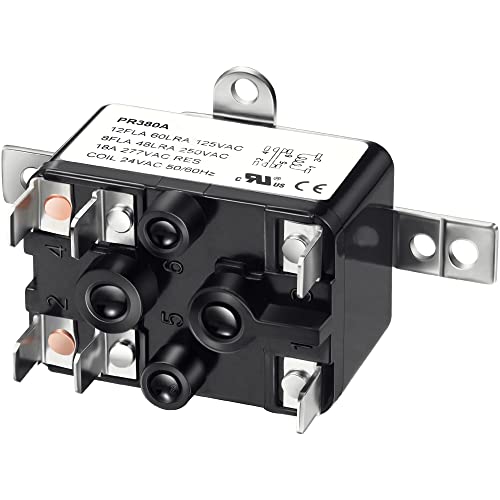
Key features: 90-380 isolation relay, SPST, 24VAC coil, 12FLA, UL certified. Suitable for Goodman blowers, HVAC fans, humidifiers, and sequencers. Best for: replacing aging blower relays or fan control circuits within residential systems. Caution: verify that the 12A FLA rating matches your load to ensure reliable operation.
Buying Guide: Key Purchase Considerations
What should you evaluate when choosing a 24V air conditioner relay switch?
- Load capacity: Match the relay’s FLA and resistive load rating to your motor or compressor. Going below the load can cause overheating and premature failure.
- Poles and configuration: Decide between 1-pole and 2-pole designs based on whether you need to switch one or two conductors and the complexity of your circuit.
- Coil voltage and compatibility: Ensure the coil voltage (24 VAC) matches your control board or thermostat. Check compatibility with your system’s voltage range (50/60 Hz).
- Electrical ratings and standards: Look for UL/CSA listings and certifications (UL508, UL Recognized, etc.) for safety and code compliance.
- Environmental protection: For outdoor or rooftop installations, consider IP ratings, dust/water resistance, and temperature tolerance.
- Physical fit and terminals: Verify lug type, screw sizes (M4–M6), terminal spacing, and available space for mounting in your panel.
- Direct replacements: If replacing an existing part, confirm model compatibility (for example Carrier HK42FZ024 or Mars 17421) to avoid misfits.
FAQ
- What is a 24V coil air conditioner relay switch used for?
– It switches HVAC motor loads controlled by a 24V control circuit, enabling or disabling compressors, fans, or pumps. - How do I know if a relay is suitable for my unit?
– Compare coil voltage, pole count, load rating (FLA/RES), and compatibility with your equipment model or brand. - Are UL certifications important?
– Yes. UL listings indicate compliance with safety standards, which helps with code adherence and safer operation. - Can a single-pole relay replace a two-pole relay?
– Only if your circuit requires switching a single conductor. A two-pole design is needed when both conductors must be switched for safety and control. - What is the difference between FLA and resistive load rating?
– FLA is the actual operating current of an induction motor, while resistive load rating refers to purely resistive loads; FLA is typically lower than the peak resistive rating. - What maintenance is required for relay switches?
– Routine inspection for signs of arcing, warm spots, or corrosion; ensure terminals remain tight and free of moisture ingress.