Best AC Pipe Insulation Wraps for Outdoor and Indoor Piping
When you’re selecting an AC pipe insulation wrap, you want a solution that protects against heat, cold, and moisture while being easy to install. This guide compares five popular options to fit different pipes, climates, and installation needs. It identifies who each product is best for and why, plus practical cautions to consider before purchase.
Overview table of selected products:
| Product | Best For | Material Insight | Key Benefit |
|---|---|---|---|
| Duck Brand Foam Pipe Covers | Residential hot/cold water pipes | Pre-slit, self-sealing edges | Easy installation on curved pipes |
| XFasten Foam Pipe Insulation Tape | Hard-to-wrap outdoor lines | Heavy-duty adhesive tape | High tensile strength and weather resistance |
| AXIFOUJ 5-Layer Duct Sleeve | Long outdoor runs | Five-layer composite | Robust protection and UV resistance |
| QEETOOHH 3-Layer Insulation Wrap | Outdoor copper pipes | Waterproof Oxford outer, reflective foil | All-weather protection |
| DGSL Pipe Insulation Wrap (2″ x 33 ft) | General outdoor piping | Self-adhesive foam roll | Flexible, long roll for various sizes |
Duck Brand Foam Pipe Covers

Best for: Homes needing quick, beginner-friendly insulation for hot or cold water pipes. The pre-slit foam strips and self-sealing edges simplify installation on curved lines. Safe for temperatures up to 212 F, suitable for indoor and sheltered outdoor runs.
Why selected: This product emphasizes ease of use with pre-slit, self-sealing edges, reducing installation effort. The foam provides basic heat retention and moisture control for typical residential pipes.
Caution: Not designed for extreme outdoor exposure or UV-heavy environments for extended periods; consider additional protective layering in harsh climates.
XFasten Foam Pipe Insulation Tape

Best for: Outdoor AC lines and hard-to-wrap plumbing where a tape-based wrap can conform to irregular shapes. It combines strong adhesive with flexible insulation, designed to last in harsh weather.
Why selected: The tape offers extreme adhesion and high tensile strength, reducing the chance of peel-off over time. Its low thermal conductivity helps minimize energy loss and frost formation.
Caution: Tape-based insulation can be less durable for long, continuous runs exposed to direct sunlight; inspect and reapply if edges begin to peel.
AXIFOUJ 5-Layer HVAC Line Insulation Wrap

Best for: Longer outdoor duct runs where extra protection is beneficial. A five-layer structure adds durability against weather, UV exposure, and physical wear.
Why selected: The product emphasizes a multi-layer design that improves insulation performance and weather resistance, along with a broader size to fit various ducts. It is designed to stay intact in demanding outdoor conditions.
Caution: Larger size may require careful cutting and fitting; improper trimming could impact effectiveness if gaps form around seams.
QEETOOHH 3-Layer Insulation Wrap

Best for: Outdoor copper pipe insulation on all-weather exposure. The triple-layer build provides a balance of durability and flexibility for various pipe shapes.
Why selected: Combines a waterproof outer layer with reflective foil to guard against sun and moisture, along with inner insulation for heat retention and energy efficiency.
Caution: Heavier outer materials may require more robust fastening on long runs; verify that the edges stay sealed to prevent moisture intrusion.
DGSL Pipe Insulation Wrap
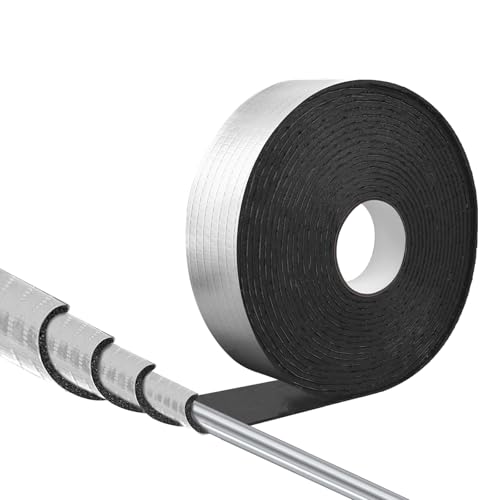
Best for: General outdoor piping projects with a need for a longer, self-adhesive foam roll. Suitable for a variety of pipe sizes and shapes.
Why selected: The 2″ x 33 ft roll provides ample length for wrapping longer runs while staying flexible enough to adapt to elbows and bends. Self-adhesive backing simplifies installation.
Caution: Roll length requires careful planning to avoid waste; unrolling too much in small projects may be inefficient.
Buying Guide: Key Considerations For Choosing AC Pipe Insulation Wrap
What climate and exposure should you match?
Outdoor pipes face sun, rain, freezing temperatures, and UV light. Choose wraps with waterproof layers and UV resistance for year-round performance. For indoor or sheltered pipe runs, lighter foams and simple self-sealing edges may suffice.
What piping type and dimensions matter?
Measure outer diameter, pipe material, and run length. Flexible tapes are great for odd shapes, while foam sleeves fit straight sections and evenly curved lines. Check if the product supports copper, PVC, or metal pipes.
Is installation ease a priority?
Pre-slit, self-sealing designs reduce labor and error. Self-adhesive tapes offer quick application but may require surface cleaning for best adhesion. Consider whether you need fast deployment or a more secure long-term seal.
Durability versus flexibility
Five-layer or composite wraps provide robust protection but can be heavier and harder to cut precisely. Thinner foams and tapes are easier to trim but may wear sooner in harsh environments. Balance protection with ease of use for your setup.
Maintenance and inspection
Inspect seams and edges periodically, especially in outdoor installations. Reapply or reseal if edges peel or moisture enters. Some products recommend resealing after seasonal changes.
Frequently Asked Questions
- What is the main purpose of AC pipe insulation wraps? They reduce heat loss, protect against freezing, and minimize condensation on exposed pipes.
- Can I use insulation wrap on all pipe types? Most wraps suit common HVAC and water pipes, but verify compatibility with copper, PVC, or metal materials stated by the manufacturer.
- Which wrap is best for easy DIY installation? Pre-slit foam covers or self-adhesive tape wraps are typically the simplest for beginners.
- Do insulation wraps affect energy efficiency? Yes, proper insulation reduces heat transfer, helping systems run more efficiently and preventing energy loss.
- How long does insulation last outdoors? Durability depends on material, UV exposure, and weather; some products are designed for years of outdoor use, others may require periodic maintenance.
- Should I seal seams on exterior pipes? Yes, sealing seams helps prevent water intrusion and frost formation; ensure a tight seal around all joints.