Best 10 Inch Duct Tee Selections for HVAC Ductwork and Branches
Answering your search for reliable 10 inch duct tees, this guide highlights five well-suited options for main duct branching, retrofit projects, and seamless system upgrades. Each product is described with who it’s best for and why it was selected, plus practical cautions. The buyer profiles include contractors, DIY homeowners upgrading an existing system, and installers seeking durable galvanized steel connections. A quick summary table follows to help you compare core specs at a glance.
| Product | Best For | Why Chosen |
|---|---|---|
| Duct Outlet 10″ x 10″ x 8″ T-Wye | Small to mid-size main ducts | Compact 26-ga galvanized T-Wye for branching into a round duct line |
| Vent Systems 10″ Saddle Branch | Retrofits and upgrades | Versatile saddle take-off with a 9.84″ outlet, broad compatibility |
| Prime Duct 12X10X10 O.D. T-Wye | Three-way duct splits | 26ga galvanized steel, lined option for smoother airflow |
| Imperial 8″ X 8″ X 8″ Tee | Compact stove pipe/ducting | Galvanized 26 ga tee for 8″ systems |
| Vent Systems 8” T Shape Duct Connector | Three-way connections in compact spaces | Durable 8″ three-way connector with smooth interior |
Duct Outlet 10 Inch T-Wye For Round Duct
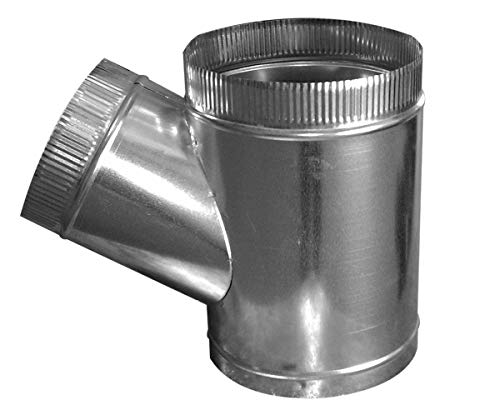
Type: 26 gauge galvanized steel T-Wye for round duct installation. Use: Branch airflow from a main duct into an additional round duct line.
Best for: Home or small commercial systems needing a simple Tee to Wye transition from a main run to a separate branch.
Why selected: It provides a straightforward, durable connection with a standard 26 GA construction, ideal for lightweight to mid-range ductwork projects.
Limitation: Not designed for high-pressure or heavy-duty industrial systems; thickness may limit maximum airflow in some setups.
Vent Systems 10 Inch Saddle Branch
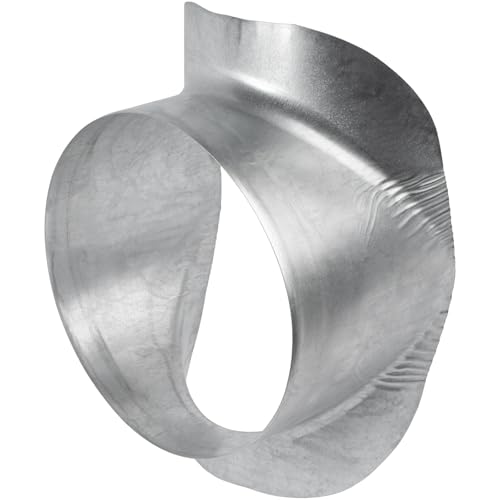
Type: Saddle branch for 10-inch ducts with a 9.84″ outlet. Function: Take-off for connecting a branch duct to a main line.
Best for: Upgrading existing ducts where a take-off is needed without a full tee-wye, offering a flexible retrofit option.
Why selected: Strong compatibility with a wide range of main pipe sizes and a design aimed at seamless connectivity.
Limitation: Outlet size is slightly undersized relative to a full 10″ run, which may marginally affect airflow in high-demand systems.
Prime Duct 12X10X10 O.D. T-Wye

Type: 26ga galvanized steel T-Wye with 1″ liner option. Use: Duct fitting for three-way branches; can function as a wye connector or a duct splitter.
Best for: Projects requiring a larger 12″ main with two 10″ branches, or where a lined interface is beneficial.
Why selected: The 26 GA galvanized construction provides durability for general HVAC work and multiple branch configurations.
Limitation: Heavier and larger footprint than smaller 10″ tees; ensure adequate space for installation in tight ceilings or attics.
MURNELAP Tee For GREENSEAM GRFTJ10GA24

Type: Tee for 10″ duct systems, matching GREENSEAM GRFTJ10GA24 references. Use: Precision-fit duct tee for a seamless connection.
Best for: Installations requiring a precise, OEM-compatible tee to maintain airflow and alignment.
Why selected: Emphasizes fit and long-term durability with high-quality materials.
Limitation: Designed to pair with specific GREENSEAM modules; verify compatibility with your existing duct system before purchase.
Imperial Furnace Pipe Full Flow Tee
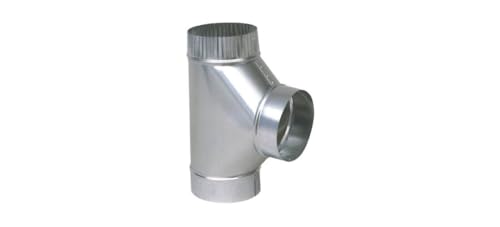
Type: Gray galvanized 26 GA stove pipe tee for 8″ diameter. Use: Full flow tee joints for stove pipe systems.
Best for: Compact stove pipe or compact ducting projects where space is limited.
Why selected: Durable galvanized construction suitable for stove pipe connections and small- to medium-sized ducts.
Limitation: Size is fixed at 8″, so not suitable for larger 10″ ducts without adapters or different fittings.
Vent Systems 8 Inch T Shape Duct Connector

Type: 8″ three-way T-shaped duct connector, with two branches. Use: Connects exhaust fans, dryer vents, or vent hoses in a three-way layout.
Best for: Small spaces where a compact three-way connection is needed for ventilation or exhaust systems.
Why selected: Durable metal construction with interior smoothness to reduce resistance and promote even airflow.
Limitation: Only 8″ size; may require adaptation for 10″ duct projects or larger air volumes.
Buying Guide
What to consider when choosing a 10 inch duct tee or related branch fitting:
- Main duct size vs. branch size: Ensure the tee’s inlet and outlet diameters match your existing ductwork to avoid leakage or airflow disruption.
- Material and finish: Galvanized steel is common for durability; consider lining if you need smoother airflow or corrosion resistance in moist environments.
- Connection type: Tees, wyes, and saddles offer different branching options. Choose based on desired airflow path and installation space.
- Space constraints: Some fittings have larger footprints; verify available attic or crawlspace clearance before purchasing.
- Environment and use-case: For stoves or exhaust-heavy systems, ensure the part is rated for the expected temperature and pressure.
- Compatibility: Check manufacturer compatibility if using modular components or matching with GREENSEAM, GREENTHERM, or similar lines.
FAQ
- What is a 10 inch duct tee used for? It is used to split or branch airflow from a main duct into one or more branches, typically in residential or light commercial HVAC systems.
- Is 26 gauge metal sturdy enough for ductwork? For many residential and retrofit applications, 26 gauge galvanized steel provides adequate durability, but heavier gauges may be needed for high-velocity or industrial setups.
- Do I need a liner on a T-Wye? A liner can reduce noise and improve airflow in some configurations, but it is not always required; verify with your project specs.
- Can I mix 8″, 10″, and 12″ fittings? Yes, with appropriate reducers or adapters, but ensure a smooth transition to minimize turbulence and pressure loss.
- Which fitting is best for retrofits? Saddle branches or small-profile T-Wyes are often ideal for retrofits where space is limited and a branch needs to connect to an existing main run.
- Do these fittings influence airflow efficiency? Yes. The interior smoothness, joint tightness, and proper sizing all affect resistance and overall efficiency.