Best Automatic Air Vent for Boiler Solutions: Reliable Picks for Heating Systems
Choosing an automatic air vent is essential for maintaining boiler efficiency and preventing air buildup in hydronic heating systems. The following five vents are selected for compatibility with hot water systems, robust brass construction, and reliable airflow management. This guide compares key specs, features, and usage scenarios to help homeowners and pros pick the right vent for radiators, baseboards, and boilers. Refer to the product sections for installation considerations, maintenance tips, and performance notes.
| Product | Brand | Key Benefit | Max Pressure | Temperature Range |
|---|---|---|---|---|
| Taco 400-4 | Taco | Sturdy construction, easy cleaning | 150 psi | Up to 240°F |
| HYDRO MASTER | HYDRO MASTER | Universal 1/8″ auto vent, durable brass | 150 psi | Up to 240°F |
| Beduan 10500-VE | Beduan | High temp resistance, reliable sealing | 150 psi | Up to 240°F |
| Valemo VFV-12 | Valemo | Compact 1/8″ NPT bleed vent | 150 psi | — |
| Joywayus | Joywayus | Versatile 1/2″ G and 1/2″ NPT fittings | — | — |
Taco 400-4 1/8-Inch-NPT Float Air Hy-Vent

The Taco 400 HY-Vent is a brass-built auto air vent designed for hot water radiators, baseboards, convectors, radiant panels, and small unit heaters. It handles a maximum working pressure of 150 psi and can be opened for cleaning, which aids long-term maintenance. The vent’s robust construction suits systems that require dependable air release without frequent replacements. Its compatibility with common hydronic components makes it a straightforward upgrade for boiler loops that struggle with trapped air.
HYDRO MASTER Automatic Air Vent Valve
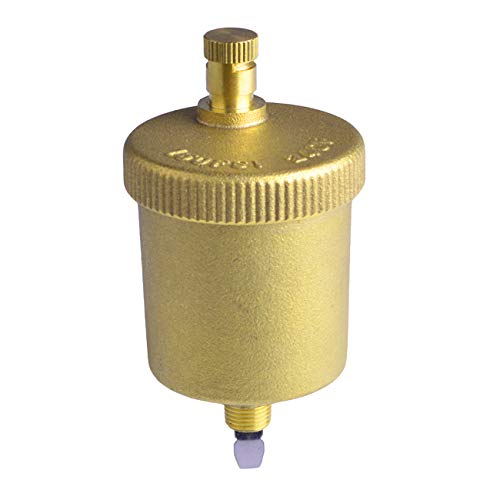
The Hydro Master vent uses a universal 1/8″ auto air valve design with heavy-duty brass construction. It is suitable for most heating systems, offering durable performance with a maximum operating pressure of 150 psi and a maximum temperature of 240°F. This vent provides reliable automatic air removal, reducing the risk of air pockets that can impede radiator efficiency and circulation in boiler-fed hydronic networks.
Beduan Brass 10500-VE Automatic Float Valve

Beduan’s 10500-VE float valve is built for high-temperature environments with a maximum pressure rating of 150 psi and a wide temperature range from 33°F to 240°F. It emphasizes high-temperature resistance and rust protection, offering reliable sealing and precision cast components. This valve is suited for HVAC and exhaust applications where efficient air release and robust sealing are needed to maintain system performance.
Valemo VFV-12 Automatic Air Bleed Vent

Valemo’s VFV-12 vent features an 1/8″ NPT threaded connection with a compact design for easy integration into tight spaces. It is rated for up to 150 psi, making it suitable for most residential and light commercial boiler loops. The unit provides automatic air bleeding functionality to prevent air accumulation and improve circulation through radiators and piping networks.
Joywayus Brass Automatic Float Valve Kit

Joywayus offers a float valve kit with 1/2″G air bleed release vent and 1/2″G×1/2″NPT male connector adapters. The design emphasizes a reliable exhaust mechanism cast from high-precision components, with high temperature resistance and rust protection. The vent includes a separation tray with a filter screen to prevent debris from clogging the valve, making it suitable for systems that require consistent venting without frequent maintenance.
Buying Guide: Key Purchase Considerations
When selecting an automatic air vent for boilers or hydronic systems, consider the following:
- Pressure rating and temperature range: Most residential vents operate up to 150 psi and 240°F. Verify compatibility with your system’s pressure and temperature.
- Connection size and fittings: Common options include 1/8″ NPT and 1/2″ G connections. Match to your existing piping and adapters to avoid leaks.
- Material durability: Brass is standard for longevity and corrosion resistance in heating environments. Check for rust protection and seal quality.
- Maintenance needs: Some vents are easy to open for cleaning or feature replaceable components. This can reduce long-term costs.
- System type compatibility: Ensure the vent is suitable for radiators, baseboards, convectors, or radiant panels in hot water systems.
- Installation space: Compact vents or those with flexible mounting options help in tight boiler rooms or cramped piping.
- Maintenance accessibility: Choose vents that are straightforward to service without disassembly of major piping.
For best results, pair automatic air vents with a proper air separator in the main line to maximize air removal efficiency. Regular inspection during seasonal maintenance helps confirm vents are releasing air as intended and not leaking.
In terms of installation strategy, consider placing vents at high points along the loop where air naturally collects. In multi-radiator setups, individual vents at each radiator can improve overall circulation and boiler efficiency. If higher-capacity systems are in place, multiple vents with appropriate sizing may be warranted for optimal performance.
Environmental and safety notes: ensure the system is depressurized before any vent service to avoid scalding or leaks. Use appropriate personal protective equipment and consult installation manuals for best practices.