Best Air Conditioners for Attic Rooms: Efficient Cooling Solutions
Attic spaces can trap heat, making reliable cooling essential. This guide highlights five top Amazon picks designed to cool attic rooms efficiently, quietly, and with flexible controls. Each option balances BTU capacity, energy use, and noise level to fit attic layouts and insulation conditions. Read on to compare features, installation needs, and how to choose the right unit for hot, sun-filled attics.
| Product | Brand | BTU / Type | Key Benefit |
|---|---|---|---|
| Dreo AC515S Portable AC | Dreo | 12,000 BTU (ASHRAE) / 8,000 BTU DOE | High cooling power with quiet operation |
| AC Infinity CLOUDLINE PRO T6 | AC Infinity | 6″ Inline Duct Fan | WiFi app control for precise ventilation |
| COOLECH Windowless Evaporative Cooler | COOLECH | 4 Modes; 3 Speeds | Moisture-friendly draft with waterless alert |
| COOLECH Windowless 42-Inch Cooler | COOLECH | 4 Modes; 3 Speeds; 90° Oscillation | Large-area coverage with wide airflow |
| Midea 8,000 BTU Window Unit | Midea | 8,000 BTU / Heat + Dehumidifier | Multi-season comfort with inverter efficiency |
Note: The products above were selected for attic-appropriate cooling capabilities, noise levels, and versatility in spaces with varied insulation and ceiling heights. Each entry links to the Amazon listing for detailed specifications and options.
Dreo 12,000 BTU Portable AC515S

The Dreo AC515S portable air conditioner offers a substantial 12,000 BTU ASHRAE cooling capacity, suitable for attic spaces up to about 16 feet in depth depending on insulation. It supports temperature control from 65°F to 86°F and includes 3-in-1 functionality: cooling, dehumidification, and fan modes. A noise isolation system reduces compressor and turbulence noise to around 46 dB, making it better suited for bedrooms or quiet home offices in attic layouts. The unit features drainage-free operation in humidity-friendly environments, simplifying setup for attics without easy drainage access.
AC Infinity CLOUDLINE PRO T6
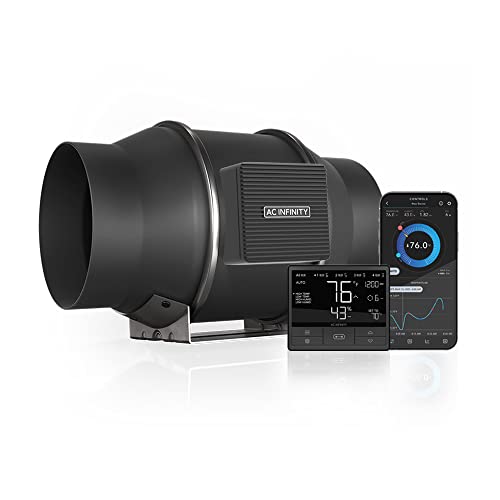
The CLOUDLINE PRO T6 is a 6″ inline duct fan designed to move air between attic spaces and living areas. It includes a VPD controller for temperature and humidity adjustments and supports WiFi app control for automation. This solution is ideal for attic exhaust or intake ventilation, helping manage heat buildup by coordinating with other cooling devices. Its programmable timers, minimum-speed operation, and remote app access enable precise climate management in attic environments with ducted cooling or ventilation systems.
COOLECH Windowless Evaporative Cooler
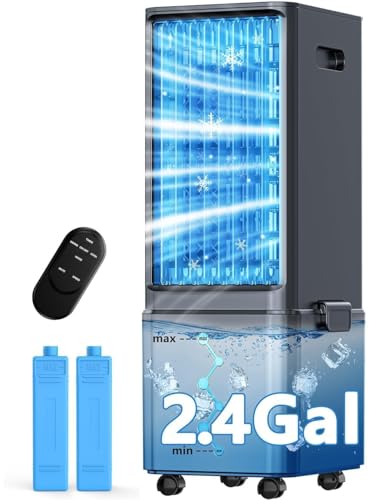
The COOLECH evaporative air cooler combines cooling options with a waterless alert system. It offers three modes and four wind speeds to tailor cooling to attic conditions, while its waterless alert helps prevent operation issues in dry climates. As a portable windowless unit, it provides a cost-effective alternative to traditional window ACs, delivering moisture-enhanced air that can be more comfortable in dry attic environments without permanent installation.
COOLECH 42-Inch Windowless Cooler
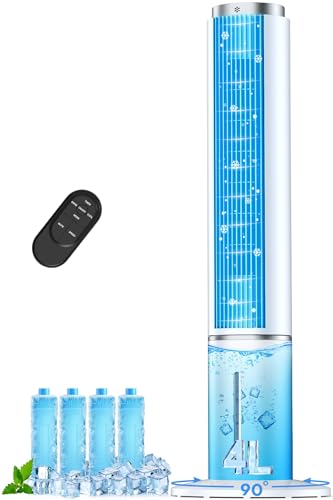
This 42-inch evaporative cooler delivers up to 1400 CFM airflow with a 90° auto-oscillation range, designed to cool larger attic spaces up to about 300 sq. ft. It offers four modes and three fan speeds for customizable attic comfort. With a wide air outlet and extended throw, it can disperse cool air across a broader attic area, reducing hotspots and improving overall room temperature balance.
GE Window Air Conditioner 5,000 BTU

GE’s 5,000 BTU window unit is compact enough for small attic rooms or dormered spaces. It provides adjustable fan settings and cooling modes suitable for small, sun-warmed rooms. The included installation kit simplifies mounting in standard windows common to attic spaces. A lower BTU rating is best for small, well-insulated attics or as a supplementary unit paired with ceiling fans or additional cooling devices.
Midea 8,000 BTU Smart Window Unit

The Midea 8,000 BTU smart window unit combines cooling with heat and dehumidification, covering spaces up to 350 sq ft. It features an LED display, multiple modes, a 24-hour timer, and smart home compatibility for voice control via Alexa or Google Assistant. Its inverter-based efficiency supports energy savings while delivering robust attic cooling during hot spells. This unit is well-suited for larger attic rooms or open-concept attic studios needing reliable year-round climate control.
Buying Guide: Attic Cooling Considerations
- Attic size and insulation: Measure the attic’s square footage and assess insulation levels. Larger attics require higher BTU capacity or complementary cooling methods. Poor insulation can significantly raise cooling demands.
- Ventilation strategy: Decide between portable units, window units, evaporative coolers, or inline duct fans. In hot, dry attics, evaporative coolers may be efficient, whereas humid climates benefit from dehumidification-focused units.
- Noise and placement: Look for units with low decibel ratings and consider location away from living areas. Noise isolation features are particularly important in bedrooms or study nooks in attic spaces.
- Installation and access: Windowless or ducted setups require more planning. Portable units are easier to relocate, while ducted systems benefit attic-to-room airflow consistency.
- Energy efficiency: Compare energy Star ratings and inverter-driven models. Inverter technology can reduce electricity use over traditional fixed-speed units, especially in reference to longer cooling seasons.
- Controls and smart features: Apps, voice control, timers, and automation help integrate attic cooling with home routines. Look for compatibility with your existing smart home ecosystem.
- Weather resilience: Attic environments may experience higher humidity, heat exposure, and dust. Choose units with filters, durable housings, and maintenance indicators to sustain performance.
- Cost of ownership: Consider upfront price, energy costs, maintenance needs, and potential installation charges for non-portable options.