Best Pressure Regulator Valve for Sprinkler System: Top Picks for 2025
Maintaining proper pressure is essential for dependable sprinkler performance. This guide highlights five high-quality pressure regulator valves that help keep irrigation systems running efficiently, reduce leaks, and protect emitters. Each option supports common 3/4″ connections and targets consistent flow for drip, micro-sprinkler, and sprinkler setups. Below, you’ll find a quick product summary to help you compare key specs at a glance.
| Product | Target Pressure | Connection | Best For |
|---|---|---|---|
| Rain Bird HT07525PSI Drip Regulator | 25 PSI | 3/4″ FHT to 3/4″ MHT | Drip lines and emitters |
| Senninger PRLG 25 PSI | 25 PSI | 3/4″ Hose Thread | Low-flow systems, drip & soaker |
| Rain Bird PRF07530S In-Line | 30 PSI | 3/4″ MPT | In-line filtration with regulation |
| Orbit 67798 30 PSI Regulator Filter | 30 PSI | 1″ MPT | 3-in-1 with filter and Drip-Lock |
| Raindrip 45100UB Regulator | 20 PSI | 3/4″ FPT | Drip irrigation from outdoor faucet |
Note: These products are chosen for compatibility with typical American sprinkler and drip systems, offering reliable pressure reduction, ease of installation, and durable construction. Always verify thread sizes and flow requirements for your specific setup before purchasing.
Rain Bird HT07525PSI Drip Irrigation 25 PSI Regulator

Rain Bird’s 25 PSI regulator is designed to maintain steady pressure and optimize water flow to drip lines and emitters. It connects to any 3/4″ male or female threaded faucet and offers a 20 GPM maximum flow capacity, making it suitable for mid-sized drip systems. Its compact design minimizes installation footprint while preserving performance across different irrigation zones.
Senninger PRLG 25 PSI Low-Flow Regulator
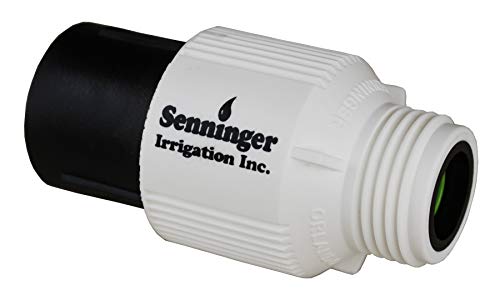
This pressure regulator keeps a constant 25 PSI output across a low-flow range, typically 0.5 to 7 GPM. It’s designed for solid set systems, drip lines, and other low-pressure irrigation needs. Built to high quality standards, it helps ensure uniform distribution and can contribute to water and energy savings while extending system life.
Rain Bird PRF07530S In-Line 30 PSI Regulating Y Filter

This in-line unit combines filtration and 30 PSI regulation in a single piece. By reducing components, it simplifies installation and protects downstream drip components from clogging. It’s ideal for keeping emitters and micro-sprinkler heads working reliably in a compact footprint.
Orbit 67798 30 PSI Drip Regulator Filter

Orbit’s 3-in-1 unit provides a clean, direct flow with a built-in 120-mesh stainless steel filter and flush port for easy maintenance. The regulator maintains 30 PSI, making it suitable for standard drip kits and commercial-style installations. The straight design minimizes leaks and improves ease of installation in valve boxes.
Senniger 40 PSI 3/4″ FNPT Regulator

This 40 PSI regulator offers robust performance for higher-pressure irrigation zones, with a straightforward installation that can be placed above or below ground. It’s built to resist clogging and includes a universal entry for typical irrigation plumbing. The preset pressure can help extend emitters’ life and ensure consistent distribution under varying inlet pressures.
Breezliy 25 PSI 2-Pack Regulator

These 25 PSI regulators are designed for drip irrigation and micro-sprinkler systems. They use durable ABS construction and feature 3/4″ female hose thread in/out. The two-pack provides redundancy for multiple zones or back-up units in larger installations, ensuring stable pressure across the system.
Raindrip 45100UB Pressure Regulator
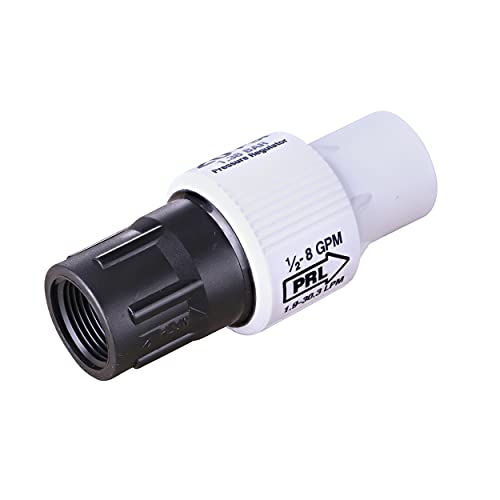
Raindrip’s regulator reduces incoming water pressure to 20 PSI, a common target for drip systems. It’s easy to install on an outdoor faucet or hose bib and helps prevent emitter and fitting failures caused by excessive pressure. The regulator’s direction arrow indicates the proper flow orientation for reliable operation.
Buying Guide: Key Considerations For Choosing A Pressure Regulator Valve
When selecting a regulator for sprinkler and drip irrigation, consider these factors to ensure optimal performance and long-term reliability.
- Target output pressure: Match regulator output to your system’s needs. Drip and emitters often perform best around 20–30 PSI, but some landscapes require different levels.
- Inlet and outlet connections: Verify thread sizes (FHT, MHT, FNPT) and compatibility with hoses, valves, and fittings in your setup.
- Flow range: Check the regulator’s flow capacity to ensure it can handle peak sprinkler or drip rates without dropping pressure.
- Integrated features: Some models pair regulation with filtration (filter, flush port) to reduce clogging and simplify maintenance.
- Material and durability: Look for corrosion-resistant materials, especially for outdoor or underground installations.
- Ease of installation: Straight-through designs and compact footprints simplify mounting in valve boxes and tight spaces.
- Maintenance access: Regulators with accessible ports and easy disassembly help with cleaning and testing.
- System type compatibility: Ensure the regulator is appropriate for drip, soaker, solid-set, or general sprinkler configurations.
In summary, selecting the right pressure regulator involves balancing required output pressure, flow capacity, and installation practicality. For drip-focused setups, regulators around 20–25 PSI with reliable filtration often deliver consistent performance. For wider irrigation zones or higher flows, 30 PSI regulators with robust build quality can provide better coverage while protecting downstream components. Consider keeping a spare regulator on hand for quick swaps to minimize downtime during maintenance.